CIP Cycle Steps for Bioreactors and Tanks
- Share
- Issue Time
- Nov 17,2026
Summary
CIP means clean in place. The tank, pipelines, and valves are cleaned without having to open the valves. Venting a tank allows air to enter. Polluted air may spread new bacteria and viruses.
In pharma, a tank must be clean every time. You also need proof. GMP means good manufacturing practice. These rules ask for cleaning validation. That is a written record. It shows that each clean was done right. Bailun says its team can help meet GMP rules for the FDA, EU and TGA.
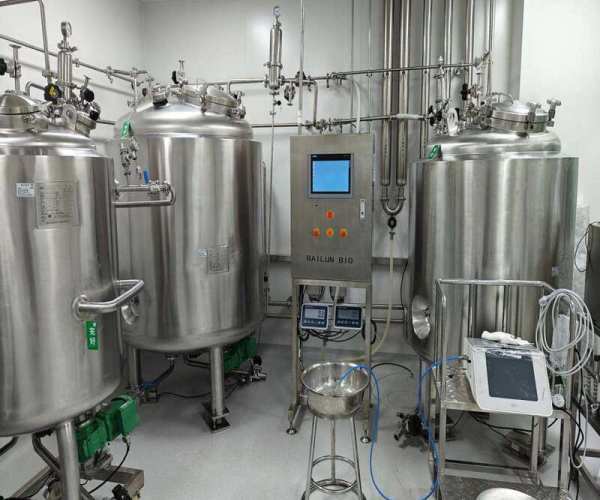
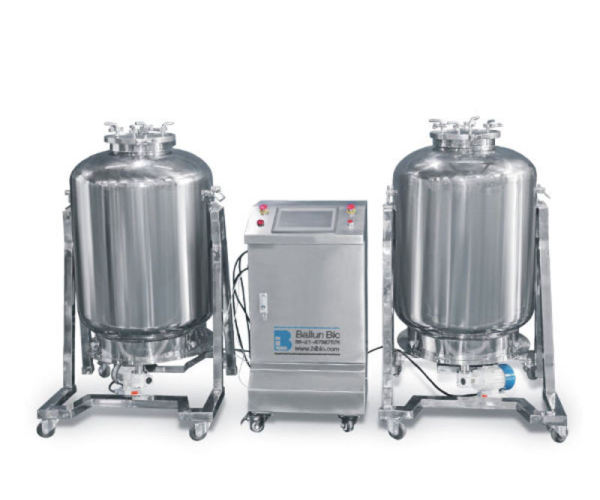
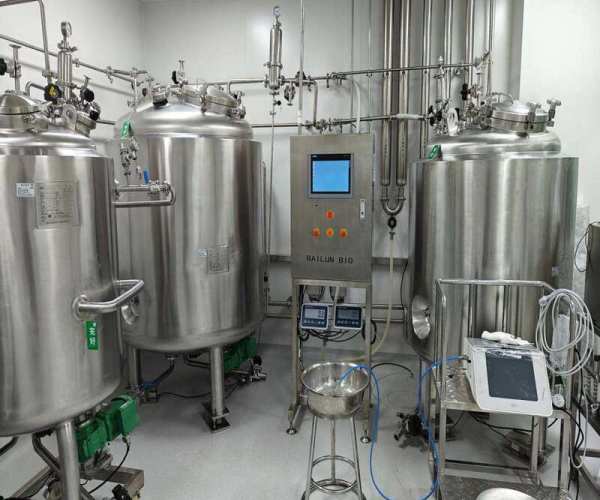
How do you clean a big, closed tank? How do you know it is clean? Opening a fermenter by hand takes time. It can also be risky. One missed spot can ruin a whole batch. A CIP cycle has five steps. They are first rinse, alkaline wash, middle rinse, acid wash and final rinse. The tank stays shut. Pumps push liquid through pipes and spray balls. A PLC, which is a small control unit, runs each step. Then SIP kills any germs left behind. SIP means sterilize in place. In this guide, you will learn the CIP cleaning steps. You will see how the parts work. You will also learn how to check the tank is clean. Last, you will see what to ask before you buy. CIP means clean in place. The tank, pipelines, and valves are cleaned without having to open the valves. Venting a tank allows air to enter. Polluted air may spread new bacteria and viruses. In pharma, a tank must be clean every time. You also need proof. GMP means good manufacturing practice. These rules ask for cleaning validation. That is a written record. It shows that each clean was done right. Bailun says its team can help meet GMP rules for the FDA, EU and TGA. Question Answer The CIP cleaning steps run in this order: First rinse Alkaline wash Middle rinse Acid wash Final rinse First rinse is a water flush. It takes away loose dirt. The tank, pipelines and valves are filled with water. It takes away the cells and the remaining broth. Refer to the drain line. If the water is cloudy, the rinse is not complete. The caustic wash breaks down the clinging organic filth. Steel is greasy with fat and protein. The alkaline liquid loosens them up. Then the water snatches them. Make sure the liquid covers all the walls. Make sure the spray is not obstructed. The middle rinse is a water flush. It makes the alkaline liquid transparent. Then the following phase begins on a clean slate. Look for low places in the pipes. Liquid may accumulate there. This step removes hard mineral build-up. Minerals leave a crust on steel over time. The acid liquid breaks it down. Look at the corners and welds. Scale hides there. This step washes away any cleaning liquid. Water runs until none is left. A conductivity sensor tells you when to stop. Step Liquid Job Time, heat and liquid strength are not the same in every plant. Each plant tests to find the right mix. The liquid is moved by means of pumps, valves, and spray balls. Every wall is washed by the spray ball. The pumps provide a constant and powerful flow. Each liquid is sent to its proper location by means of valves and pipelines. One phase concludes and the subsequent phase begins. For this purpose, Bailun employs CIP control valves and pipelines. Dry patches may appear if the spray ball becomes clogged. It is difficult to discern these places. The feed, sample, and drain pipes must also be reached by the CIP cleaning procedures. It is easy to clean a tank with a flat surface and sufficient drainage. There is less dirt that may cling. Inside, no liquid remains. Item Bailun data Why it helps SIP comes right after the last rinse. CIP cleans the tank. SIP kills the germs that are left. Both run while the tank stays shut. Together they make one CIP process system. On some Bailun tanks, a program runs SIP for you. On others, staff run it by hand. A program can be added later. The CIP station product page lists "SIP, auto control by program". One PLC program can run both steps. There are three ways to check. You can look inside the tank. You can test for germs. You can also check the pH and conductivity of the rinse water. A conductivity sensor shows how well water carries an electric charge. Cleaning liquid makes that number go up. When the last rinse reads like plain water, the cleaning liquid is gone. Bailun does not give a set number. Each plant sets its own. Bailun's controls can save and print the data from the CIP cleaning steps. This helps drug makers show that each clean was done right. That proof is what cleaning validation is about. Every step ran in the right order The conductivity sensor reading met the plant's own limit The drain water looked clear The cleaning data was saved There is no single time for a CIP cycle. Each plant finds its own time through testing. It sets how long each step runs. It also sets the heat and how strong the liquid is. Bailun's FAQ says this depends on three things. They are the product, how much you use the tank, and the rules for your industry. You may clean several times a day. Or you may clean once a week or less. Send your tank details, and the cycle can be planned for you. The main liquids are water, alkaline liquid and acid liquid. Bailun's FAQ also lists detergents and sanitizers. The right choice depends on the dirt. It also depends on what the tank is made of. Staff need training to handle these chemicals safely. The station should also have pressure relief valves and emergency stop buttons. Automatic CIP works best when you run many batches under GMP. A small lab may only need a simple CIP cleaning system. Type Tank opened? Risk of human error Same result each run Cleaning records Steel tanks with CIP are a good fit for plants that make a lot of one product. Single-use bags do not need cleaning. But you have to keep buying new bags. Bailun makes both. A CIP station has tanks for the cleaning liquids. It also has pumps, valves and pipes. A PLC with a touch screen runs it all. Bailun's product page lists a Siemens PLC and a 10 in touch screen. Item Bailun data You can get the CIP station PDF files on the product page . Check the pumps, valves, sensors and liquid tanks on a regular plan. Some filters may need to be replaced. The system also needs to be calibrated from time to time. This keeps its readings correct. Many things change the cost. These include tank size, how automatic it is, materials, controls and power. A SIP program, a custom or OEM build, and training also add to it. Bailun's site does not show prices. A quote starts with a URS. A URS is a list of what you need the system to do. A CIP station saves time on hand cleaning. It also means fewer batches lost to dirt or germs. Don't have a URS yet? Just tell Bailun if you grow bacteria or cells. Say what the product is for. Then add your tank size. Bailun Biotech (Jiangsu) Co., Ltd. makes machines for fermentation and cell growth. Its head office and factory are in Jiading District, Shanghai. Its base factory is in Ganyu District, Lianyungang. Each machine ships with a test report. It also comes with a video of the final check. Lab units take 2–3 months to deliver. Pilot units take 3–4 months. Factory units take 4–12 months. Bailun can also build custom and OEM units. It offers setup abroad, training and help after the sale. A CIP cycle has five steps. They are first rinse, alkaline wash, middle rinse, acid wash and final rinse. These CIP cleaning steps use water, alkaline liquid and acid liquid in that order. The tank stays shut the whole time. A PLC runs each step. SIP comes next to kill any germs left. CIP cleaning uses water, alkaline liquid and acid liquid. Bailun's FAQ also lists detergents and sanitizers. The right choice depends on the dirt. It also depends on what the tank is made of. Staff need training to handle these chemicals safely. The station should have pressure relief valves and emergency stop buttons. There is no single time for a CIP cycle. Each plant finds its own time through testing. It sets how long each step runs. It also sets the heat and how strong the liquid is. Bailun does not list fixed minutes. Send your tank details, and the cycle can be planned for you. In pharma, a CIP cycle cleans tanks, pipes and valves without opening them. A program runs each step. It follows GMP rules. The system saves the cleaning data as proof. This proof is part of cleaning validation. Bailun's controls can save and print that data for each batch. No, CIP and SIP are not the same. CIP cleans the tank with water, alkaline liquid and acid liquid. SIP comes after that. It kills the germs that are left. Both run while the tank stays shut. One PLC program can run both steps, one after the other. It depends on three things. They are the product, how much you use the tank, and the rules for your industry. You may clean several times a day. Or you may clean once a week or less. Send your tank details, and Bailun can help you plan a schedule. When you pick a CIP station, check three things. Look at your tank size, how automatic you want it, and your process. Bailun Biotech (Jiangsu) Co., Ltd. builds CIP stations for tanks from 5 L to 200 KL. Once it knows your tank, it can plan the CIP cleaning steps. To start, send a URS through the Request a Quote form . A URS is a short list of what you need done. You can also look at the CIP station page and its PDF files. What Does a CIP Cycle Do Inside a Closed Tank?
What the System Cleans and Runs
CIP Cleaning Steps, One Stage at a Time
First Rinse
The Alkaline (Caustic) Wash
Middle Rinse
The Acid Wash
Final Rinse
Liquid and Job for Each Step
How Does the Liquid Move Through the Tank?
What Tank Design Helps the Cleaning Work?
Where Does SIP Fit After Cleaning?
How Do You Know the Tank Is Clean?
What to Confirm After Each Cycle
How Long Does a CIP Cycle Take?
How Often to Run a Cycle
Which liquids does it use?
Manual, Semi-Manual or Automatic: Which Fits?
CIP Tanks or Single-Use Bags?
What is inside a CIP station?
Keeping the Station in Good Shape
What Affects the Cost of a CIP Station?
Who Builds These CIP Stations?
FAQs
What are the steps of a CIP cycle?
What chemicals are used in CIP cleaning?
How long does a CIP cycle take?
What is the CIP cycle in pharma?
Is CIP the same as SIP?
How often should a CIP cycle run?
Conclusion