Can Bioreactors For Cell Culture Support Perfusion Processes? Flow, Filter, Continuous
- Share
- Issue Time
- Aug 9,2026
Summary
The bioreactors for cell culture are closed vessels. It keeps temperature, pH, oxygen and nutrients constant so that cells can grow. This is not a microbial fermentation vessel. The fermentor can tolerate more vigorous mixing and faster growth. Instead cell culture systems use mild mixing. Mammalian and botanical cells are fragile but bacterial or yeast cells are not.
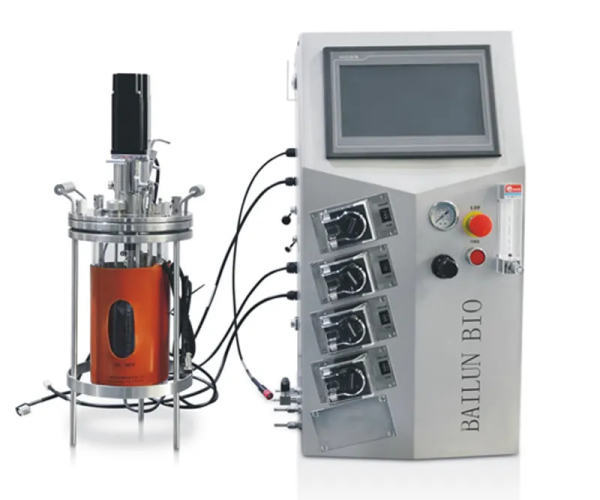
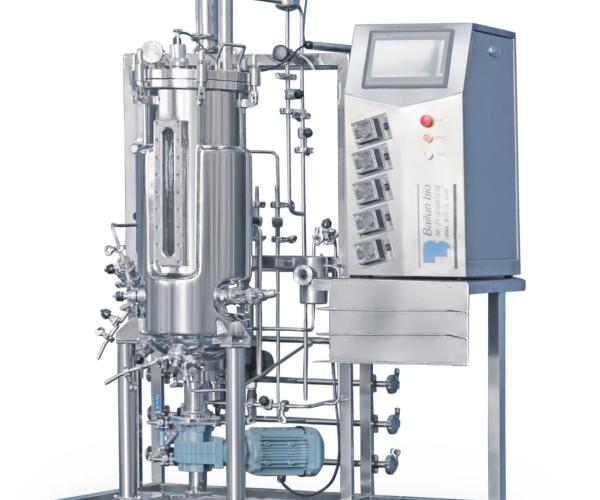
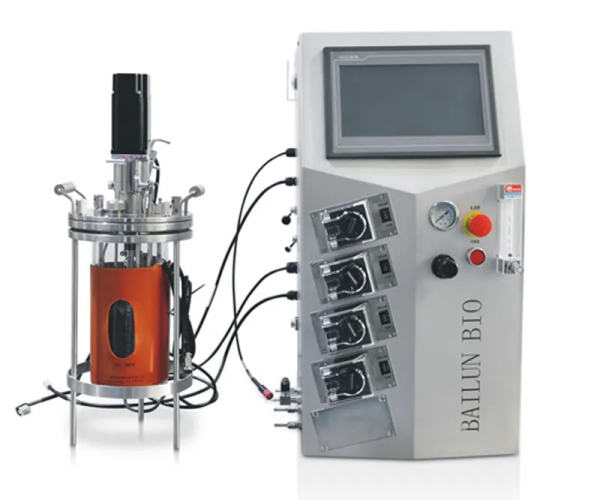
Can a bioreactor, designed for batch operation, be operated in perfusion mode for down to 2 weeks without failure? This is a common question for teams needing more cells. The biopharma field has long had bioreactors for cell culture that supported perfusion. But not all systems can do it. Depending on the vessel design, filter type and control setup perfusion may or may not be successful. This article describes the needs for perfusion. It also discusses what kinds of vessels work best and how to check a system before you buy. Perfusion basics- fresh media in, spent media out, cells stay in. Three needs- Flow, filtration and automation. Three needs have to work as one. Vessel choice- Stirred-tank and hollow-fibre systems are best for perfusion. Disposable systems- Single-use vessels reduce time for cleaning between runs. Sourcing focus- Find a system that fits your cell line, not just price. The bioreactors for cell culture are closed vessels. It keeps temperature, pH, oxygen and nutrients constant so that cells can grow. This is not a microbial fermentation vessel. The fermentor can tolerate more vigorous mixing and faster growth. Instead cell culture systems use mild mixing. Mammalian and botanical cells are fragile but bacterial or yeast cells are not. Parameter Normal Target Why It Matters The main types of bioreactors for cell culture include stirred-tank, wave or rocking, hollow-fibre, fixed- or packed-bed, and airlift. Each type mixes the culture and moves oxygen differently. Stirred tank- The culture is mixed by a rotating part. It is easy to make larger. Wave or rocking- A soft bag sways from side to side. This gently combines cells. Hollow fiber- Thin fibers on which cells grow. The media passes through them. Fixed or packed bed- Cells attach to a solid support within the reactor. Airlift- Culture moved by gas bubbles. No moving parts. Common in animal cell culture bioreactors are stirred tank or wave systems. They give you soft mixing. The hollow-fibre and stirred-tank types are best for perfusion. Some packed bed systems require additional work to keep up. Perfusion is a way of continuously replacing media. In comes new media. Used outgoing media. The cells stay in the vessel throughout the process. Batch culture does not change the media at all. Fed-batch adds nutrients, but does not remove anything until the run is complete. Cell counts can be significantly higher in perfusion than in batch or fed-batch cultures. It also extends the life of your runs. A run can last from days to weeks. The biggest reason teams choose perfusion is the extra time. Can cell culture bioreactors be perfused? Yes. But first there are three things in place: good flow control, strong filters, and steady automatic control. Miss any one of these and the run can go wrong. Could be running out of nutrients. Filters can clog. Unstable conditions may develop. The next three sections describe each part. In perfusion, flow rate is set with a number called CSPR. This is the perfusion rate specific to the cell It indicates how much fresh media each cell requires each day. As cell numbers increase flow must increase. If the flow is constant, but the cells increase in size, then the nutrients run out. The garbage piles up quickly, too. Both problems slow growth, and both can poison the culture. Used media can exit the vessel through filters. They hold the cells in. Three common tools are available for the job: spin filters, tangential flow filtration (TFF), and alternating tangential flow (ATF). Spin filters are in the vessel. They spin to keep cells from view. Tangential flow filtration pushes culture through a thin membrane on the outside of the container. Alternating tangential flow changes direction of flow. This prevents clogging. The main problem here is filter fouling. Eventually, cells and debris accumulate on the membrane. That slows it down. A system ready for perfusion requires live sensors. It also needs feedback loops to automatically adjust flow, oxygen and pH. This is a big deal because a run can last for weeks. That's why single-use vessels have become popular. "It's faster to swap in a new one than to clean and test a steel tank again. The problems in a bioreactor for mammalian cell culture are different from those in a bioreactor for plant cell culture. But they can both run perfusion. Mammalian cells are easily broken by rough mixing. Also grown at medium densities. For these cells the most important aspects are gentle mixing and careful filtering. Cells in plants tend to adhere to one another. The mixture behaves like a viscos liquid. Perfusion is much more used in mammalian biopharma work. In plant systems it is still less frequent. It boils down to a few simple points for a good fit for mammalian work. There is no one “best” product for all. Look at cell retention in the system. See how easy it is to get bigger. Also check on the level of automation. And think about single-use vs. reusable design. Cell retention- how well the filter retains cells without damaging them. Growth room- Is the system scalable from small lab size to full production? Automation- How much manual work is required by the system during a run? Single-use vs. reusable- quicker turnaround or cheaper over time? No single system is a winner on every point. The right pick depends on your cell line and your goal. Disposable bioreactor for cell culture is suitable for perfusion. It lowers the chance of contamination on long runs. It also reduces the time between runs. Factor Disposable Systems Reusable Stainless Systems On a large scale, this tradeoff is most apparent. There the convenience of single-use bags may come with a higher cost. If you're looking at bioreactor cell culture for sale listings, check the technical fit first. Price should be second. A low-cost system that doesn't have the right type of filter may end up costing more later because of failed runs. Filter fit- Make sure the vessel is compatible with TFF, ATF, or spin filters. Flow range- confirm that your system can reach the CSPR you need for your cells. General searches for the best bioreactors for cell culture tend to overlook the details of your particular process. These lists are for reference, not for an answer. Yes, this is possible when flow control, filters and automation are all properly set up. Without all three, perfusion runs often fail early on. As cell numbers grow, so must flow. Filters need to trap cells without clogging too quickly. Batch culture * No media changes. Fed-batch adds nutrients, subtracts nothing. Perfusion does both, all the time. Perfusion generally provides the highest cell counts and longest runs of the three. Batch: simplest setup, fastest run. Perfusion: Most complex, longest case. The principal types are stirred-tank, wave or rocking, hollow-fibre, fixed or packed-bed and airlift. Each type integrates the culture and oxygenates in a different way. The stirred tank is the most common configuration for most scale-up requirements. Wave and hollow fiber suit gentler perfusion friendly setups. Yes, disposables are great for perfusio. They cut the contamination risk and speed turnaround.” The main limitation is at very large scales. Shorter set-up times between runs. Per-Run Cost at Scale Higher There's no one right answer. It is dependent on cell retention, growth room and degree of automation. A system that scores well in all three works well for most mammalian projects. Choose your match filter depending on how easily your cells rupture. Before you assume perfusion readiness, check automation. CSPR is a number used by perfusion engineers. It shows how many fresh media each cell needs every day. This helps determine how the flow rate should scale as the culture becomes denser. Too low CSPR makes the culture starve. Too high a CSPR means wasted media and increased costs. Perfusion works when flow control works, filters work, automation works. You need more than one strong feature. This is just the start for the type of vessel. It's the engineering of it that makes the perfusion work. If you are a team looking at bioreactors for cell culture with perfusion in mind, Bailun Biotech (Jiangsu) is well worth a look. Its systems are built around the same flow, filter and control needs as discussed in this article. Perfusion is not just another feature for them.Key points
What Is a Bioreactor for Cell Culture?
Core Functions of a Cell Culture Bioreactor
What Vessel Types Handle Cell Culture?
What Does Perfusion Actually Mean?
Can Bioreactors for Cell Culture Support Perfusion?
Flow: Managing Continuous Media Exchange
Filtration: Keeping Cells In, Letting Waste Out
Continuous Control: What the Vessel Itself Must Do
Mammalian Cell Culture vs. Plant Cell Culture
What Makes the Best Bioreactor for Mammalian Cell Culture?
Is a Disposable Bioreactor Suitable for Perfusion?
What to Look for When Buying a Perfusion-Capable System
Frequently Asked Questions
Bioreactors for cell culture can support perfusion.
Batch, fed-batch and perfusion: What's the difference?
What Are the Major Types of Bioreactors in Cell Culture?
Can perfusion processes be performed in a disposable bioreactor?
Which bioreactor is suitable for mammalian cell culture?
What is CSPR (cell specific perfusion rate)?
Conclusion