Glass Fermenter Care: Cleaning and Handling
- Share
- Issue Time
- Nov 23,2026
Summary
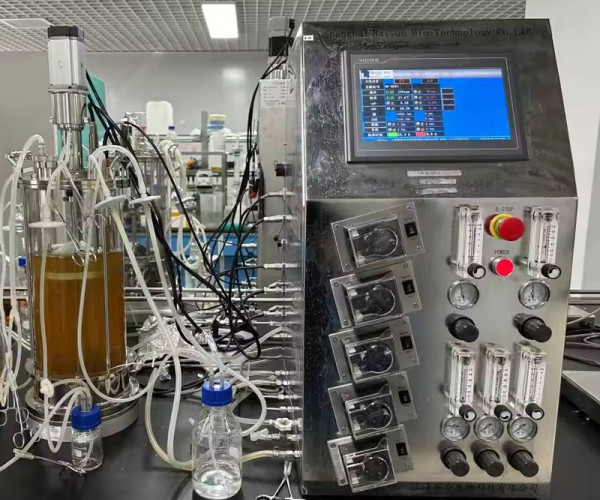
The clear vessel of a lab glass fermenter is distinctive. On top of that, it's not hard to break or clean. On a bench it rests. It has controls for stirring, temperature, and pH. You may add feed or take samples using the ports. Through the glass, you may see the culture. Because of this, glass is often used in labs.
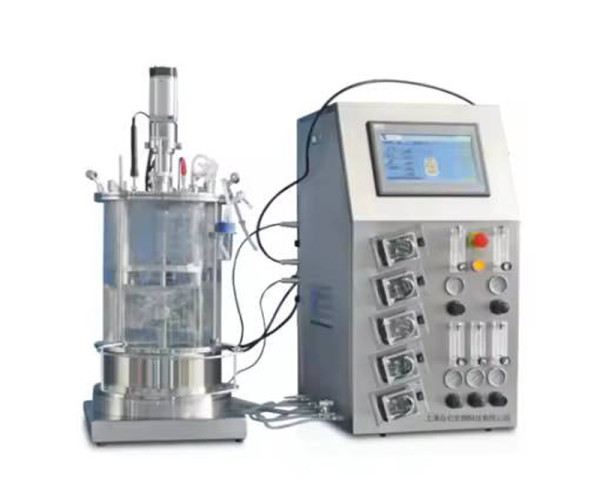
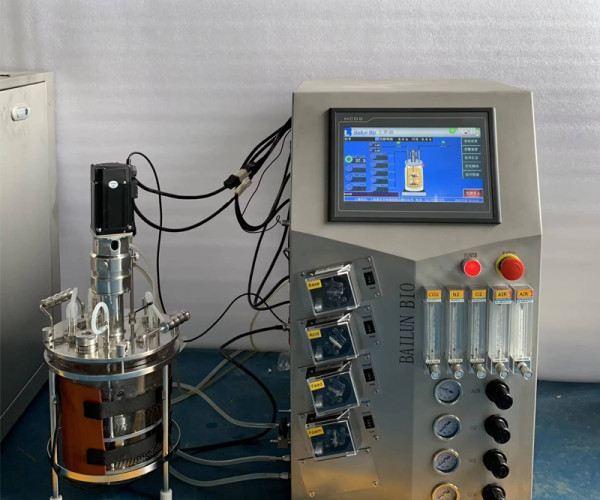
How often should you do glass fermenter cleaning, and what should you check each time? Bailun Biotech's company history shows it has had a Shanghai manufacturing since 2006. It's easy to care advice. Clean vessel after each batch. Examine the little parts. Use a sterilizing procedure compatible with the parts. When storing the device, keep it dry. These practices aid every run. They are each easy to learn. After every batch, clean the area. If you run it often, clean it at least once a week! Check the vessel, stirrer, sensors, and seals. For each component, choose a sterilization technique that works. This article is based on Bailun Biotech's published care and glass fermenter advice. Bailun Biotech says it is a manufacturer, not a trading company. The clear vessel of a lab glass fermenter is distinctive. On top of that, it's not hard to break or clean. On a bench it rests. It has controls for stirring, temperature, and pH. You may add feed or take samples using the ports. Through the glass, you may see the culture. Because of this, glass is often used in labs. To clean and sterilize glass, it is fairly simple. However, fragile parts are possible. Use both hands to hold the vessel. Make sure that tools are not placed near the rim. Borosilicate glass vessel is how some labs refer to it. Every model has its own unique sort of glass. Inquire with the manufacturer about your current model. Job What it means When Bailun's site sells glass fermenters ranging from small 0.2L to 40L. It contains a 2L-40L category Lab glass fermenter. There is also a Mini Lab Glass Fermentor site. First you have to read your model handbook. Then choose a cleaning and sterilizing process. After each batch, clean the vessel. If it runs all the time, clean it once a week at least. It can be necessary for hard or particularly sensitive job. The speed depends on how frequently you use it and what you run in it. Pick an agent for the mess and the parts. Bailun offers mild detergents, enzyme cleansers, and acid or alkaline solutions for stubborn deposits. The agent should not corrode or damage any portion. Follow the maker's advice and safety rules. They instruct you how long to leave it on and how powerful to make it. Follow lab safety rules for chemicals, hot surfaces, and glass. Clean the vessel and parts with an agent that fits them. Rinse off any chemical left behind. Check the vessel, seals, and sensors for wear, corrosion, or damage. Dry the unit, cover the openings, and write it in your log. Use the same five steps for glass fermenter cleaning each time. Then you can spot a mistake fast. A damaged seal can cause a leak. After each clean, look at the seals, valves, and vessel. Look for wear, corrosion, or damage. A rubber ring, like an O-ring, can flatten or crack over time. Replace any part that looks bad before the next run. Ports are where you add feed or take samples. Handle each port and the headplate or lid with care. Put them back the way your manual shows. This article does not give steps for each model. To calibrate is to check a sensor against a known standard. Do it on a set schedule. Use standard solutions or reference tools. Follow the maker's steps. Write down the date and the result. Check the pH, temperature, and dissolved oxygen (DO) sensors at the same time. One Bailun spec sheet (model BLBIO-GCUC ) lists pH 2.00-12.00±0.1. It uses a pH sensor from Hamilton/Mettler, Switzerland. Bailun's site gives no steps for pH probe storage. Ask the sensor maker how to do it. Bailun's spec lists the stirring system as "Mechanical drive on the top/bottom or Magnetic drive on the top." It also lists a 3 pcs height-adjustable six-blade paddle. Check the blades, shaft, and bearings for wear. Lubricate the bearings as the maker says. Check the alignment and balance too. This helps stop shaking. Parts differ by drive type, so use your manual. Heat is the main risk with temperature control. Heat can come from built-in heating elements. It can also come from fluid that flows around the glass vessel, as in a jacketed vessel. One Bailun spec sheet lists auto-control. Its electric heating range reads "water source add 5ºC to 70ºC." Let the unit cool before you touch it. Keep the electrical connections secure. Autoclaving works when every part can take the heat and pressure. Bailun's FAQ says glass bioreactors can be sterilized by autoclaving, chemical sterilants, or steam. The choice depends on how well the parts hold up. Check each part against the maker's limits before it goes into an autoclave. Steam works well. But the vessel must handle high heat and pressure. Hydrogen peroxide or peracetic acid can also be used. Handle them with care. Rinse away all residue after. No one cycle fits every model. Confirm settings with Bailun before you start. Part What to check Source An idle unit should be clean, dry, and covered. Cover every opening so dust and dirt stay out. Store it in a dry place with controlled temperature. Keep it away from direct sunlight and moisture. Please jot down the task and the date. Be sure to keep track of any parts you replaced. What you saw should be included. A log may show trends, such as seals that wear out quickly. If you need assistance, calling the maker is also helpful. Making use of a cleaner that is too large for the parts. Skipping the rinse after a chemical sterilant. Ignoring a small leak. Keep the unit covered or damp while not in use. When you handle glass, you are rushing. No log keeping. Leak: Stop at once. Find where it comes from, such as a seal, pipe, or valve. Then replace the part or call a professional. Falling performance: Read your records. List any recent changes. Then ask for a full inspection. Calibration, part replacement, or major troubleshooting: Ask a professional or the maker's service team. Trained operators can do cleaning and simple checks. Bailun lists phone support from 08:00 AM to 05:00 PM EST. It also lists onsite service technicians. Parts orders that arrive before 3:30 PM EST ship the same day. Factory Introduction: Head office and factory in Jiading District, Shanghai. Base factory in Ganyu District, Lianyungang, Jiangsu. Factory Scale: Sites of 5000 m², 56000 m², 2600 m², and 12000 m². It has 500 staff. Its home page lists 86 nations. Factory Certification: ASME U Stamp and ISO 9001 appear on its site. This article does not link them to glass vessels. Delivery Cycle: Lab equipment takes 2–3 months. Focusing on One Area: Biopharmaceutical and bioengineering work. This covers R&D, design, manufacturing, and verification of high-standard sanitary containers and modular process equipment. Service terms: OEM and customization : yes. MOQ: 1 unit. Overseas installation: yes. Use an agent that suits the vessel materials to clean it after each batch. Check it, cover it, and store it with the openings covered. Clean it at least once a week if you run it continuously. Carefully handle delicate parts. If every small glass bioreactor can handle it, autoclaving is one of the stated ways to sterilize it. Other possibilities include chemical and steam sterilants. Rinse any remaining chemical residue away. Bailun can help you choose the most effective method for your model. Not every vessel has the same lifespan. It depends on handling, cleaning, sterilizing, and checking. Regular care may significantly extend the life of equipment. This means regular inspections, prompt replacement of worn parts, and use within the advised range. Stop the run at once. Then find the source. It may be a damaged seal, a cracked pipe, or a faulty valve. Replace the part, or call a professional if the leak is serious. Do not restart until the cause is fixed. Store it clean, dry, and covered. Dry every part. Then cover all openings against dust and debris. Keep the unit in a dry place with steady temperature, away from direct sunlight and moisture. Note the date in your log. Call the maker for calibration, part replacement, or major troubleshooting. Also call if performance drops even with regular care. First, read your records and list recent changes. Bailun lists phone support from 08:00 AM to 05:00 PM EST. Keep up with glass fermenter cleaning after every batch. Check the seals, probes, and stirring parts. Pick a sterilizing method that fits each part. Write down what you do. These steps are easy. Each one takes just a few minutes. They help your unit last. Small habits protect every run. Need a glass unit from mini 0.2L to 40L? Bailun Biotech (Jiangsu) Co., Ltd . lists OEM options. It also has a 1-unit MOQ and onsite service. Email info@bailunbio.cn and ask any question about your model .What to Do Each Time
What Makes a Lab Glass Fermenter Different to Look After?
Why Glass Needs Gentle Handling
Main Care Jobs
Where Bailun's Glass Range Fits
Glass Fermenter Cleaning: What to Do After Every Batch
How Often Should You Clean?
Which Cleaning Agent Should You Use?
A Simple Cleaning Routine
Which Small Parts Need Checks?
Seals and Gaskets: Check for Wear
Lid and Port Care
Probe Care and Calibration
Stirring Drive and Agitator Checks
Hot Surfaces and Temperature Control
Autoclaving or Chemical Sterilant? How to Choose
When Autoclaving Works
Steam and Chemical Options

Storage, Checks, and Records Between Runs
Parts to Check
How to Store an Idle Unit
How to keep a maintenance log
Common Care Mistakes
Mistakes That Cause Trouble
When to Stop, Fix, or Call the Maker
What to Do in Each Case
Who makes these units?
About Bailun Biotech
FAQs
How do you clean a glass fermenter?
Can you sterilize a glass bioreactor by autoclaving?
How long does a borosilicate vessel last?
What should you do if a glass fermenter leaks?
How do you store a glass fermenter between runs?
When should you call the maker for help?
Conclusion