How Do Bioreactor Stirred Tank Prevent Dead Zones? Baffle, Flow, Circulation
- Share
- Issue Time
- Aug 17,2026
Summary
The most common cause is a plain wall with no baffles. This allows the impeller to turn the batch around in a circle rather than mix it. Another cause is an impeller that is not sized correctly for the bioreactor stirred tank. Its flow never gets to the bottom or the farthest corners.
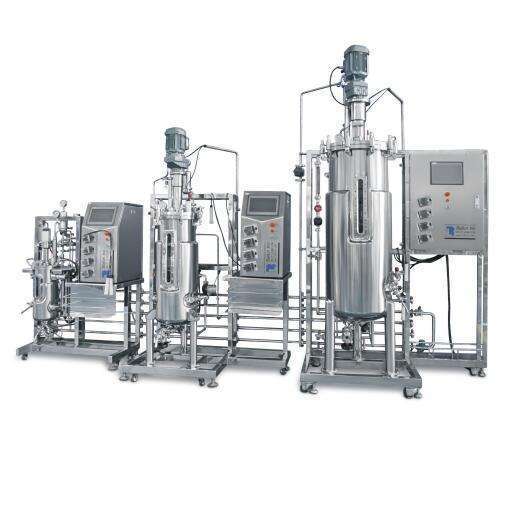
A bioreactor stirred tank consists of three parts that eliminate dead zones. Baffles interrupt the spinning flow. This pushes fluid into the corners and across the bottom, not just the center. The whole tank is in constant circulation. No fluid remains static for long.
Why do dead zones matter? They are hidden in a well-mixed tank. A stagnant pocket can rob its neighboring cells of oxygen. It can lead to food shortages. It enables solids to sink and settle down. A sensor high up won't pick up any of this. Some people just call it a stirred tank bioreactor.
Key Takeaways
An open tank would cause swirling. Wall plates stop the swirling. Baffles stop the spinning.
Impeller determines the direction. The shape of the blades in the impeller determines where the fluid goes.
Circulation time tells you: a short, steady loop time shows mixing works.
Poor mixing makes small soft cells fall ill faster: cell culture feels it more.
Nothing works on its own: baffles, impeller and tank shape have to fit together.
What Is a Dead Zone in a Bioreactor?
A dead zone is a place where the fluid hardly moves. It's too slow to keep oxygen, food and pH in line with the rest of the tank. These spots are typically in the corners, near the bottom, or directly below the impeller shaft.
But if you leave the cells in that area, they run out of food. The rest of the bioreactor stirred tank is fine. Even when the probe near the top is normal, oxygen drops off in that one area. Solids can settle and pile up. This translates to different results from batches that took the same steps.
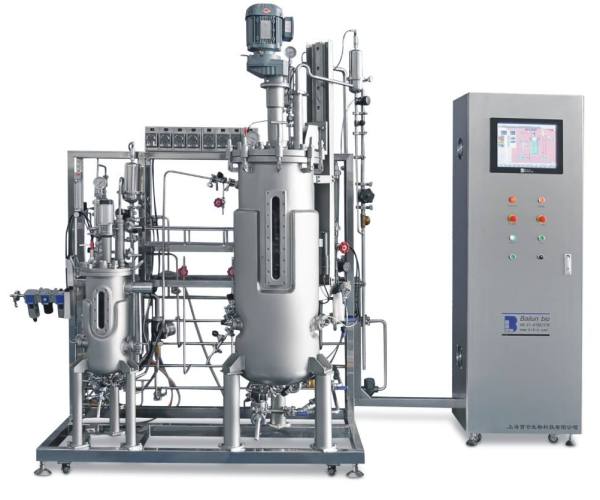
Common Causes and Fixes at a Glance
Cause | Effect | Where It Forms | Typical Fix |
|---|---|---|---|
Why Do Dead Zones Form in Stirred Tanks?
The most common cause is a plain wall with no baffles. This allows the impeller to turn the batch around in a circle rather than mix it. Another cause is an impeller that is not sized correctly for the bioreactor stirred tank. Its flow never gets to the bottom or the farthest corners.
A third cause is slow stirring speed. The flow is too weak to reach out far enough to mix all the way through the tank. Flow can also become trapped at sharp corners, flat bottoms and at such features as probes or spargers. You need to handle all these causes at once to solve this. And that's the job all flow and circulation and baffles share.
Baffles: Breaking the Vortex
Baffles are flat plates that are bolted to the interior wall. Their work is a breeze. They keep the fluid from swirling around the impeller shaft. The spinning impeller, without baffles, makes a swirling funnel called a vortex. It looks busy but does not mix much below the surface.
A full vortex is a frequent trap for the new mixing designer. It appears to be vigorous stirring, but the fluid just goes in circles with almost no motion up and down. But baffles break that pattern. Instead, flow moves up, down and across the bioreactor stirred tank.
What Changes Baffle Performance
Baffle count: the majority of tanks have four baffles, evenly spaced around the wall.
Baffle width: wider baffles break up the flow more, but may add additional force near the wall.
Wall gap: The small gap behind the baffle helps prevent build-up and makes cleaning easier.
Height: short baffles are less effective than those that go the full height of the liquid.
Flow: Directing Fluid Where It's Needed
The flow pattern in the tank is determined by the type of impeller. Axial-flow impellers move fluid up and down the shaft. Impellers with radial flow throw the fluid out toward the wall. This generates a strong side to side flow near the impeller.
The tank geometry and the proper selection of the impeller will dictate whether the flow reaches the corners and bottom where dead zones are formed. Axial-flow impeller for tall, narrow tanks (generally). Radial-flow designs tend to be better for short, wide bioreactor stirred tank ss.
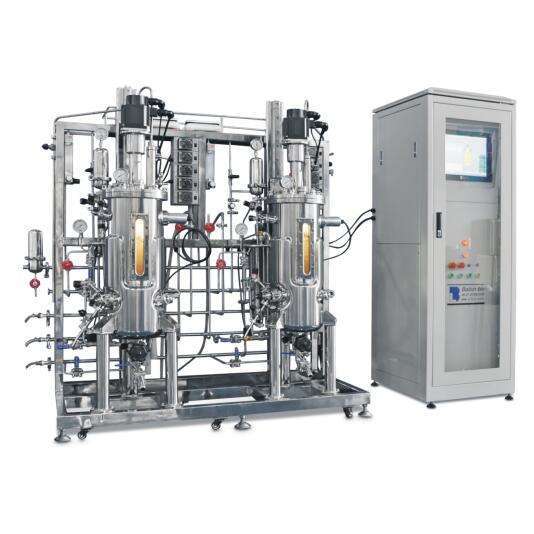
Impeller Types Compared
Impeller Type | Flow Direction | Best For | Common Example |
|---|---|---|---|
Circulation: Keeping the Whole Tank in Motion
Many engineers use circulation time to check that dead zones are gone. It is the time it takes a little chunk of fluid to go through the entire bioreactor stirred tank and come back near where it started. The teams track this with dye tests, tracer beads or flow models during scale-up.
Better mixing comes from shorter, more even circulation time. If the change is severe from place to place in the tank, then there is likely still a dead zone. That's why circulation time, not just impeller speed, is the number to watch.
Stirred Tank Bioreactor Design: Putting It Together
Good stirred tank bioreactor design treats the baffles, the impeller and the tank shape as one system, not as three independent choices. Vortex still with wide impeller not enough baffles. A wrong impeller with strong baffles still leaves quiet corners. The engineers size all three parts together, considering the width, height and process of the bioreactor stirred tank, before they lock in a layout.
Each time, the same main parts are shown in a simple stirred tank bioreactor diagram the tank wall, baffles along the inside, a central shaft with the impeller, and a sparger near the bottom that feeds gas into the culture. The quickest way to spot a dead zone free layout is often to look at how they align.
Advantages of Stirred Tank Bioreactors
The advantages of stirred tank bioreactor of mixing go far beyond simply stopping dead zones when done right:
Even spread- food, oxygen and pH are the same throughout the bioreactor stirred tank.
Less cell stress- less weak spots, less chance cells die off in a bad pocket.
Steady scale up- a design that works at small scale will work at big scale.
Fits both process types- same rules apply for both germ based & cell culture work.
Easier checks- even conditions means 1 set of sensors means a true picture of the batch.
Stirred Tank Bioreactor Cell Culture: Why Dead Zones Matter
Cell culture work is more susceptible to dead zones than hardier microbial work. Animal and insect cells have thinner outer walls and grow more slowly than bacterial or yeast cells. That means they cope much worse with changes in oxygen and food. This can cause patchy growth or real cell loss here, a weak spot that a tough microbe blows off.
This is why gentler stirring is often used in cell culture, along with careful baffle and impeller design, rather than just increasing speed to force mixing. The aim is to fully mix without additional force. Fast stirring applies shear stress and shear stress is a threat in itself for fragile cells.
Continuous Stirred Tank Bioreactor: Does Dead Zone Risk Change?
This problem has an analog in a continuously bioreactor stirred tank. Feed in all the time, product comes out. Poor mixing can allow fluid to go nearly straight from the inlet to the outlet without circulating through the rest of the tank. This is what engineers call a short circuit flow, when the feed and the outflow connect too directly and skip proper mixing with the rest of the. Poorly blended spots or fluid that leaves too soon can reduce product quality and cut into yield. This is why it becomes even more important to monitor circulation time once a process is running continuously.
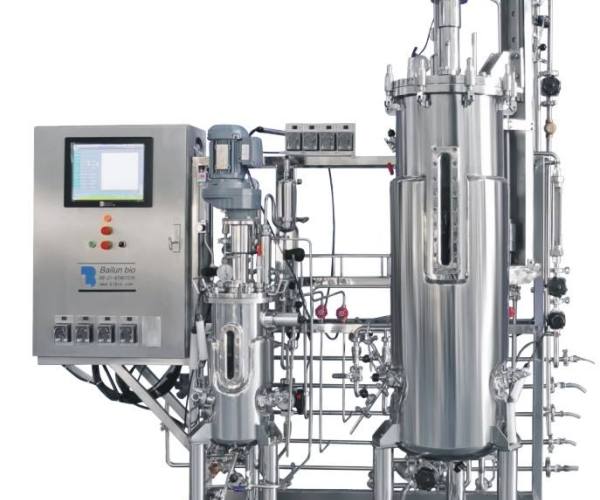
Common Mistakes That Create Dead Zones
Most problems associated with dead zones in stir tank bioreactors are caused by a few mistakes that can be prevented:
Saving money on a small tank by leaving out baffles, then scaling up the design.
Sizing a new impeller, or using an old impeller from a different sized tank.
Turning the stirrer too slow to protect the weak cells, not correcting the flow pattern itself.
Ignoring things like probes or spargers that can create their own still pockets.
Frequently Asked Questions
How do stirred tank bioreactors avoid dead zones?
The wall baffles, impeller conforming to the shape of the tank and short uniform circulation times mean that stirred-tank bioreactors have no dead zones. These prevent fluid from pooling together anywhere in the tank.
Baffles interrupt the spinning flow.
The impeller throws fluid into the corners and down the bottom.
What are dead zones in a bioreactor?
The most common causes of dead zones are vortices with no baffles to break them up, impellers that don't fit the tank, and stirring speeds too slow for the tank size.
Insufficient or missing baffles.
Impeller incompatible with tank size or type.
What is the function of baffles in a bioreactor?
Flat plates fixed to the inner wall are called baffles. They stop the fluid from turning with the impeller shaft. Instead they pull fluid from the corners, guiding the flow up, down and out.
Split the spinning vortex.
Help spread gas to the top
What role does impeller type play in mixing and dead zones?
The direction of fluid movement is determined by the type of impeller, which then determines the formation of dead zones. Axial-flow impellers move fluid from top to bottom. Radial-flow impellers throw the fluid outwards to the wall.
Axial-flow is best for tall tanks and general mixing.
Radial flow is good for mixing gasses and applications requiring high forces.
How do you know if a bioreactor has a dead zone?
A dead zone is detected by monitoring circulation time, dye tests or sensor readings at various points in the tank.
More than 1 probe spot Check readings not only 1 probe spot.
Do you get different results between batches doing the same steps?
Conclusion
The cure for dead zones is simple: Don't think of baffles, impeller flow and circulation as three different fixes. Think of them as one design problem. Get that mix right and the bioreactor stirred tank will provide you with even mixing, consistent batches and fewer surprises at scale.
Bailun Biotech (Jiangsu) is one to look at for working teams on this at the design or build stage. Their bioreactor engineering includes baffle layout, impeller choice and tank shape all together, the same combined approach that this article identifies as the real fix for dead zones.