Industrial Vaccine Fermenter(GMP) with Auto Control System
- Share
- Issue Time
- Mar 19,2026
Summary
The vaccine fermenter is a piece of equipment that is often found in labs. It helps make vaccines. Vaccines help keep people from getting sick.
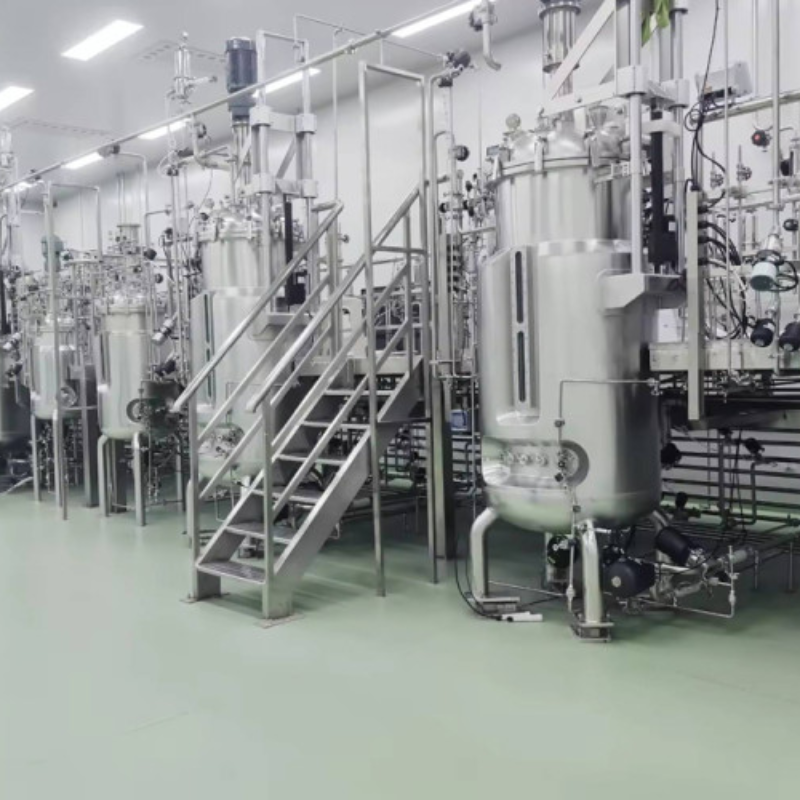
The vaccine fermenter is a piece of equipment that is often found in labs. It helps make vaccines. Vaccines help keep people from getting sick. The machine is clean when it is closed. Germs are kept out by this. The tank's environment is good for bacteria and tiny cells to grow. This growth stage is called vaccine fermentation. well.
Vaccine Fermentation Process Needs Control
To work, the vaccine fermentation process needs to be very carefully controlled. Cells that are small are very fragile. If the tank gets too hot or too cold, the cells might stop growing. If the oxygen levels change too much, the cells may not stay healthy. So, the vaccine fermenter uses an automatic control system. Small sensors keep an eye on the tank all the time.
Key Parts of a GMP Vaccine Fermenter
A GMP vaccine fermenter has a few simple but important parts. Everything works together. The tank is often made of stainless steel. This metal is perfect because it lasts a long time and is easy to clean. Inside the tank is a mixer. The mixer moves the liquid gently, which makes the cells grow evenly. Different sensors check the levels of heat, oxygen, and pH. problems.
Key components include:
A single tank made of stainless steel
A way to control temperature with pH and oxygen sensors
Clean in place using steam in position
Digital dashboard that you can interact with
Benefits of Automated Vaccine Fermentation Systems
Scientists think automatic vaccine fermenters are very useful. The device always watches the tank. It keeps the temperature and oxygen levels just right. This helps cells grow well in the aquarium. For bacterial fermentation vaccines to work, strong growth is very important. The machine also saves time. No one should be looking at the tank every minute. dirty. This is why automated technologies improve the fermentation of vaccines all over the world.
Main advantages:
Highly effective bacterial fermentation vaccine growth
Reduced the risk of infection
Improvement of the fermentation process for the vaccine
Dependability across all batches
Tasks that are done automatically
Easy data monitoring
Vaccine Production Stainless Steel Reactor – Stainless Steel Fermentor 500L
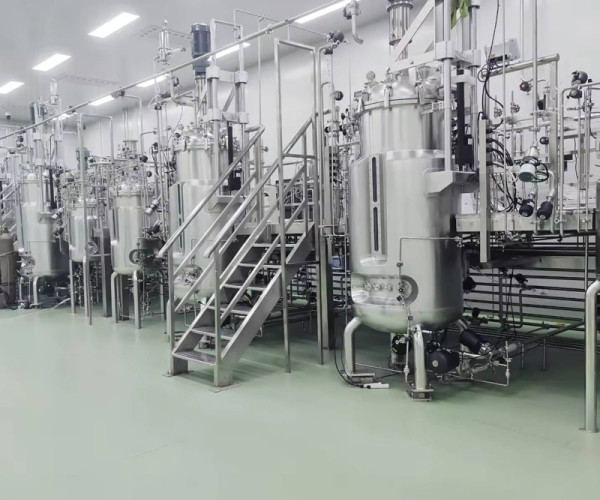
The Stainless Steel Fermentor 500L is a large tank that makes fermentation vaccines. It is perfect because it is both strong and safe. The material used to build this tank is stainless steel. This metal keeps dirt and grime out. This smooth surface doesn't let germs hide.
Cell Culture Fermenter Vaccine Production Stainless Steel Reactor
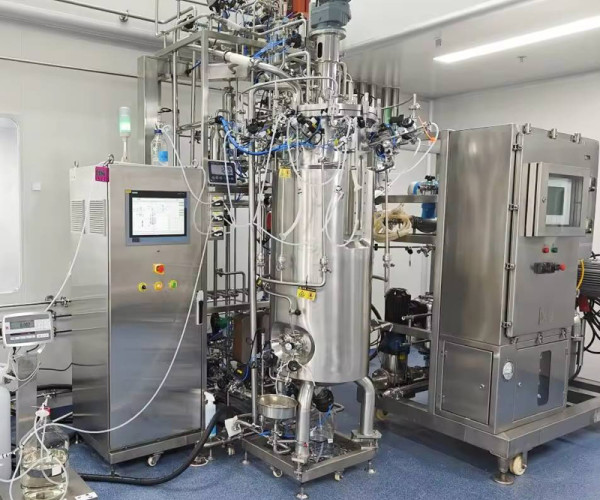
This vaccine fermenter can help grow the cells that are used in vaccinations. Cells that are still alive are often used in modern vaccines. These kinds of cells are very weak. They need a calm place to grow up. This method provides gentle mixing and a steady flow of air. fermentation and vaccines can go on without any problems. Contemporary vaccination research depends on the fermenter for cell cultivation.
Electric Single Use Bioreactor Fermenter Tissue Culture Equipment Anaerbico Bioreactor
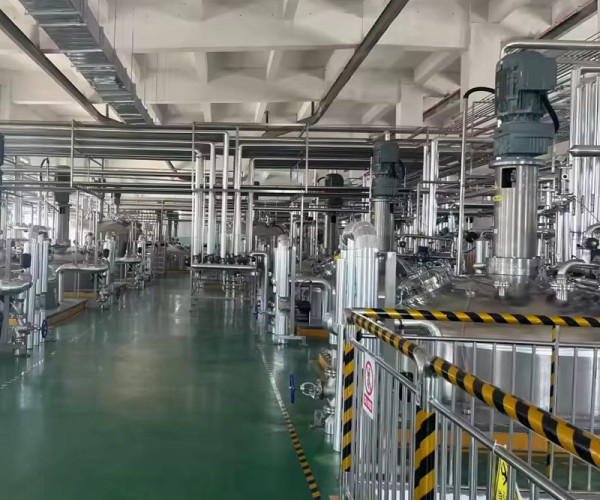
A single-use bioreactor is a simple vaccine fermenter system. It uses a clean sack instead of a metal tank that doesn't move. After each use, the bag is replaced. Because of this, the time it takes to clean up is shorter. It also helps to make vaccine fermentation safer. The system automatically controls the mixing and heating. This is good for both cells and bacteria.
Simple Workflow of Vaccine Fermentation
The vaccine fermentation process has a number of different steps. Scientists start by getting cells or germs ready. These tiny organisms can help make a vaccine. Then, the culture is moved to the fermenter tank. The cells grow in this container. The machine controls the heat, air, and mixing. Sensors keep an eye on the system the whole time. After the cells have grown, the vaccine is collected. is safe.
Step | Description |
|---|---|
Why Stainless Steel Fermenters Are Preferred
Most of the time, fermenter tanks are made of stainless steel. It stays clean and works well. It doesn't rust. It's easy to wash because it's so silky. This helps protect the fermentation process of the vaccine.
Reasons it is preferred:
Metal that is solid
Easy to clean
Long time
Raised surface
Great for labs
Exact Site to Buy- Bailun Biotech (Jiangsu)
Bailun Biotech is a company in Jiangsu that makes biotechnology machines. The company is best at making vaccine fermenters and bioreactors. These devices are used by both pharmaceutical companies and universities. Their systems help science safely run the fermentation process for making vaccines.
FAQs
What is vaccine fermentation?
To ferment vaccines, cells or bacteria are grown in a special tank. The tank gives them air, heat, and food. As they grow up, they make the ingredients for vaccines.
Why is the vaccine fermentation process important?
The vaccine fermentation process lets scientists grow a lot of cells at the same time. These cells help keep people healthy and make parts of vaccines possible.
Do you want me to tell you how to make a bacterial fermentation vaccine?
Microorganisms that live in fermentation tanks are used to make bacterial fermentation vaccines. These microbes help make the parts that go into vaccines.
What is cell fermentation for vaccines?
To make vaccines by cell fermentation, some cells are grown in a petri dish. These cells make proteins or particles that are used in vaccines.
Why are automated fermenters useful?
Automated vaccine fermenters keep an eye on the fermentation system that makes vaccines all the time. They take care of the mixing, temperature, and airflow. This makes sure that the process stays safe and the same every time.