What Factors Control Microbial Fermentation Growth Rates? Temperature, pH, Nutrient
- Share
- Issue Time
- Jul 18,2026
Summary
Microbial Fermentation is the method by which tiny living cells convert food into new cells and useful substances. The principal cells used are bacteria, yeast and fungi. Some cells need air to grow, some don't.
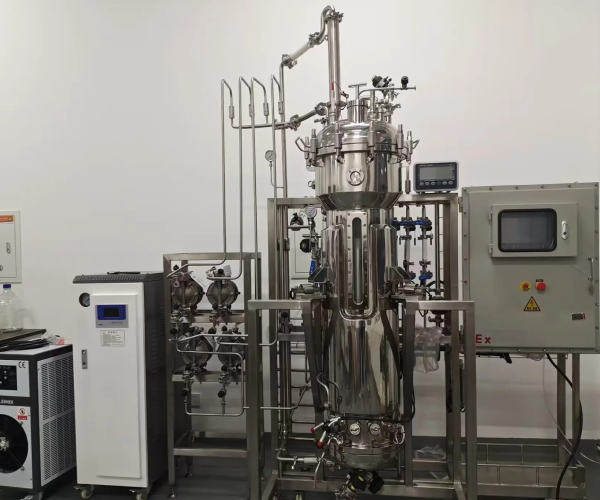
How fast do the germs have to grow before they run out of air or food? Every time a team in this field starts a new batch, they ask this. Small changes in heat, acid or feed change the answer quickly. For many years, Bailun Biotech has been constructing microbial fermentation tanks. The guide is informed by that experience. All the tips here are from real tanks, not from theory.
The guide is divided into three main sections: heat, acid and food. It also covers gear, common outputs and clean tank rules. In the end you will learn how to maintain a steady growth rate of cells.
What Is Microbial Fermentation?
Microbial Fermentation is the method by which tiny living cells convert food into new cells and useful substances. The principal cells used are bacteria, yeast and fungi. Some cells need air to grow, some don't. The Microbial Fermentation process is used by factories to make drugs, food and fuel.
Key Facts Fast View
Aspect | Detail |
|---|---|
How Does Temperature Affect Growth Rates?
In every cell the heat governs how fast the parts of the cell work. More heat will speed growth, but too much heat can kill cells. Each cell type prefers a certain temperature. Move too far away from that range and growth slows down quickly.
Typical Temperature Ranges by Microorganism Type
Psychrophiles: Psychrophiles grow best at 15 °C (59 °F) and thrive in cold environments, such as those found in dairy tanks.
Mesophiles: The most common group used in plants are the mesophiles. They grow best between 20°C and 45°C (68°F-113°F).
Thermophiles: Thermophiles like heat, between 45°C and 80°C (113°F-176°F), and live in compost and fuel work.
Escherichia coli: A typical laboratory strain of Escherichia coli grows best at about 37 °C (98.6 °F).
How Does pH Affect Growth Rates?
pH is the scale used to determine how acidic or basic a liquid is. Most germs grow best in a small range of pH. If you get too far out of this range, cell parts cease to function properly. Teams test the pH regularly, since even a slight change can spoil the batch.
Optimal pH by Microorganism Type
Microorganism Type | Optimal pH Range | Response Outside Range | Common Example |
|---|---|---|---|
What Nutrients Do Microorganisms Need to Grow?
Cells need three main things to grow: carbon, nitrogen and trace minerals. Carbon provides energy to cells. Nitrogen helps make new parts of cells. If you miss any one of these, growth will slow down, even if heat and pH are perfect.
Why Nitrogen Source Choice Matters
The type of nitrogen can change how fast cells grow. Some forms like yeast extract get used up quickly. Other types like normal salts, take more time to absorb. Choose the wrong variety and an entire batch can be hours behind.
How Is Dissolved Oxygen Controlled During Fermentation?
The amount of air contained in the liquid is called dissolved oxygen. Cells that require air use it to generate energy. Cells slow down and don't work as well if the air becomes too thin. Teams monitor the air levels closely, as low air can ruin a batch fast.
Ways to Keep Dissolved Oxygen Stable
Shaking the tank vigorously will break the air into tiny bubbles
Blow more air in through the tube at the bottom of the tank.
Do not feed plain air to hungry strains, feed them pure oxygen
Reduce cell count if cells are using up air faster than air is coming in
What Equipment Is Used for Fermentation?
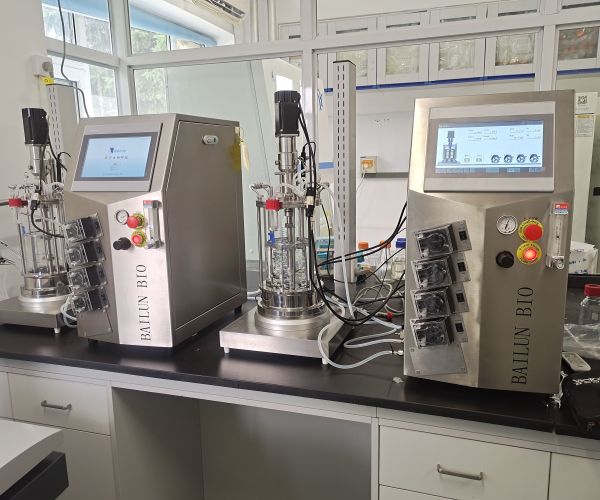
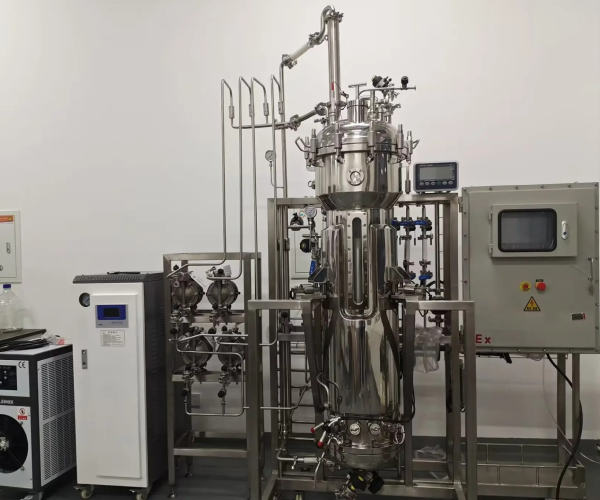
Microbial fermenters are closed vessels where temperature, pH and oxygen are controlled. Each microbial fermenter has a mixer, a heat jacket and sensors that provide data to a screen. Plants that carry out industrial microbial fermentation often use mixer tanks to mix the feedstock homogeneously. Other tanks lack a mixer and rely on air flow instead.
What Are Common Fermentation Products?
Microbial fermentation products are used in everything from food to life-saving medicines. Common outputs include yoghurt cultures, penicillin and citric acid. Some outputs, such as insulin, are made by cells altered in a lab. Each product will need its own combination of heat, pH and food.
Frequently Produced Fermentation Products
Acids: Citric acid Lactic acid
Drugs: penicillin; streptomycin
Enzymes: Protease Amylase Enzymes
Drinks: beer, wine, kombucha
How Does the Fermentation Process Scale Up?
The process of microbial fermentation takes place in steps, from a small flask to a big fermentation tank . Each step builds more healthy cells before the next step. If you rush a step, the batch can become contaminated or grow slowly. Steady growth from bench to full plant by careful steps

What Causes Poor Fermentation Control?
Often poor control of microbial fermentation can be caused by slow sensor checks or uneven feeding. Even an hour of temperature or pH change can cause a rapid decline in growth rate. Dirty equipment is another major reason for bad batches. Regular checks and clean tools prevent most of these problems.
Common Mistakes That Slow Growth
Skip the clean-up between batches
Ignoring small pH changes at early time
with old, uncalibrated sensors
Overfeeding which can stress cells
Frequently Asked Questions
How long does it take for fermentation?
Fermentation runs usually last 24 to 96 hours. The exact time depends on the type of germ and the product made.
Bacterial cultures 12 to 48 hours
Yeast cultures, 24-72 hours
Fungal cultures 72 to 120 hours
What is the best pH for fermentation?
For most runs, the pH is preferably between 5.5 and 7.5. Bacteria thrive at a near neutral pH, yeast and fungi prefer it more acidic.
Bacterium: 6.5-7.5
Yeast: 4.0-6.0
Fungi: 3.0–6.0
Does fermentation occur in the absence of oxygen?
Yes, Fermentation can proceed in the absence of air by a pathway called anaerobic growth. Instead of using air, this path produces alcohol, acid or gas.
Used for Yeast Spirits Runs
For biogas and waste plants
Produces less energy per cell than air-based growth
What Jobs Are Available in This Area?
Tank tech Process engineer Lab tester Any fermentation related jobs. These jobs are in drug, food and fuel firms.
Tank Tech : Runs & Checks Daily Batches
Process engineer: builds and grows plant systems
Lab tester: tests purity and quality of product
What Are Typical Products of Fermentation?
Typical products of fermentation are drugs, acids, enzymes and fermented food. Penicillin and citric acid are two of the most produced items in the world.
Penicillins
Citric and lactic acids and other acids
Enzymes used in soap and food function
How to Prevent Contamination
Teams fight wandering germs with clean gear, filtered air and strict rules. Kill most stray germs by steam cleaning tools prior to every run.
Clean all tanks and tubes prior to use
Use filtered air for air based runs
Look for abrupt pH or heat changes, indicating stray germs
Conclusion
The speed of fermentation is dependent on heat, pH, food and air. Get all four right and each batch will be steady and strong.
Bailun Biotech makes tanks for just this job. Their microbial fermentation services help teams keep heat, pH and food quality from small tests to full-plant runs.