Which Bioreactor System Cell Culture Offers Real Time Data Logging? Software, Sensor, Tracking
- Share
- Issue Time
- Jul 11,2026
Summary
A bioreactor system cell culture is a combination of tools and a tank that allows living cells to be grown outside the body. Its temperature, pH, acidity, oxygen and agitation are constant, so cells grow as they would in a living body.
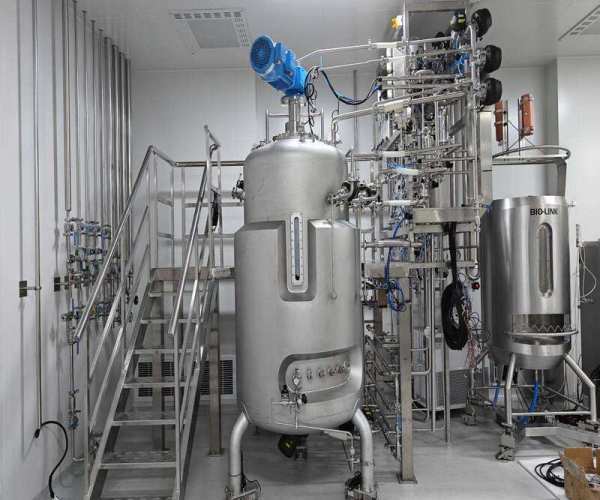
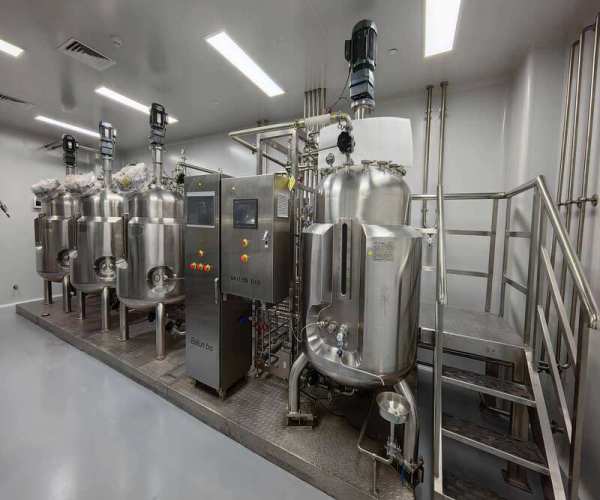
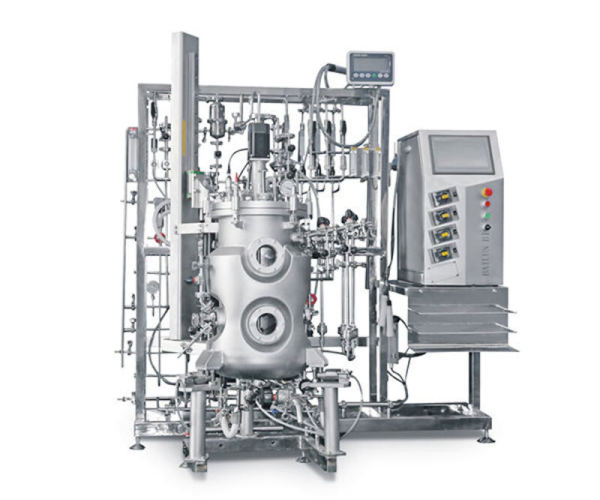
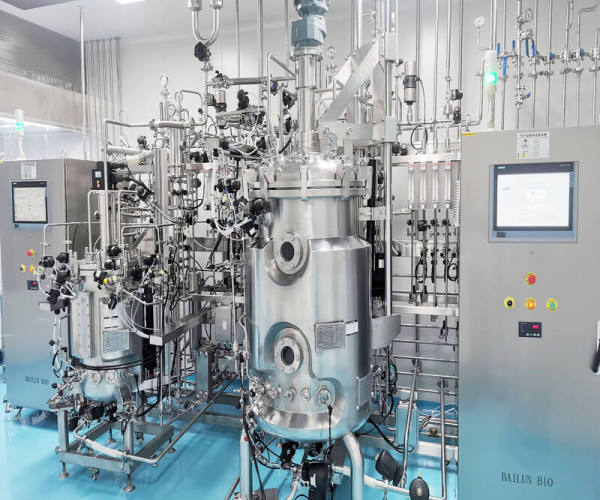
If your cells die overnight and you don't find out until the next shift, then you already know why real-time monitoring is important. The same lesson is learned very quickly by anyone who has run a bioreactor system cell culture process: it's not about the process, it's about the cells. Hand checking cells is almost always too late to save a bad run. This guide explains what kind of real-time data bioreactor setup tracks. It covers the sensors and software that make it possible and how to tell a good system from a weak one. A bioreactor system cell culture is a combination of tools and a tank that allows living cells to be grown outside the body. Its temperature, pH, acidity, oxygen and agitation are constant, so cells grow as they would in a living body. That's only one part of the tank. There are sensors, pumps, gas lines, and control software all working to keep things stable. Small bench units can be of benefit to research labs. Drug factories look like big tanks. But an effective bioreactor cell culture system must also record what it measures, not just control it. That record keeping is what makes a system truly “smart”, not merely automatic. Part What It Does Typical Note There are two main types, stir-tank reactors and single-use, throw-away reactors. A stir-tank reactor is a stationary glass or steel tank with a stirring arm. You clean it and use it again after each run. Bioreactor system cell culture uses a pre-cleaned plastic bag for single-use. You throw it out after one batch, so no cleaning step. Both types can log data in real time, but they do so differently: Add-on sensors are generally more suitable for stirred-tank reactors because the ports are fixed and can be reused. Single-use reactors save time between batches because there is no cleaning and sterilization cycle. For one long, high volume job that runs for years, stir-tank systems are fine. “Single-use systems work well for labs that change cell types or projects frequently. Disposable bioreactor systems for cell culture work best when speed and safety outweigh long term cost. It is sealed in a clean bag so it will not mix with other products. That's a real risk in labs that run multiple cell types through the same gear." The trade off is mostly size and cost over time. This table compares the two setups on the typical buying decision factors. Factor Disposable System Reusable (Steel) System What It Means The bottom line is simple enough. Choose disposable for speed and safety between jobs. When a process is running at high volume for years, opt for steel tanks. Real-time data logging is when sensors feed a screen or software that logs readings continuously, rather than when a person checks by hand. The raw signal is generated by the sensors pH, oxygen, heat and newer cell count sensors. The software converts the signal into a timed recording that can be viewed or saved later. Features to look for when comparing systems for a bioreactor system cell culture job that requires live tracking are: Built-in sensors for pH, oxygen and heat that update immediately, not on a delay Cell-count sensors for measuring the number of live cells without manual sampling. A data log or dashboard that time stamps every read and stores it for later. Remote or cloud screens for staff to check a run from outside the clean room. Auto alarms that flag a bad reading immediately, not waiting for the next manual check. Software is as important as the sensors. A tank with great sensors but no logging software still causes a guy to write down numbers by hand. That defeats the entire purpose of having sensors. The first step in selecting the right bioreactor system design for cell culture processes is to match the tank to your cell type and your actual batch size, not the size you may need in the future. Animal cells usually require less vigorous mixing than germ cells since they lack a hard outer shell and are easily broken. Here's a quick checklist to help you: Check your cell type - animal, germ or plant. They all need different mixing and gas conditions. Disposable or reusable – depending on how often you change products. Check which sensors are already built-in and which require extra ports. Make sure the software can save data in a format that your quality team can actually use. If you can't grow, then you will have to swap out a tank. Ask about growing to a larger size later. A bioreactor is a tank and control system for cell culture. It offers a stable environment for living cells to survive and grow. It regulates heat, pH and oxygen, allowing cells to grow outside of a living body. Used in research labs, vaccine factories, and cell therapy plants. They vary in size from small bench top units to large factory tanks. Plant cell growth often employs air-lift tanks, stir tanks with gentle stirring arms or dip-and-soak systems. Rough mixing can cause damage to the plant cells, which are larger and softer than germ cells. Instead of a stirring arm, air-lift tanks use rising gas bubbles to mix. Dip-and-soak systems reduce rough mixing by flooding and draining the cells on a timer. Foetal bovine serum (FBS) is added at ~10% as it provides cells with growth signals, hormones and proteins to grow well. This amount has become a common lab default for many cell types, though the exact amount can vary by cell and use. Less serum may promote growth of some cell types, reducing costs. Serum free media are increasingly used to avoid batch-to-batch variances in FBS. The two main types are stir-tank and single-use, throw-away reactors, as discussed earlier in this guide. The stir-tank systems are recycled and stirred by a mixer arm. Single use systems use a “throw away” bag and are disposed of after each run. Four things a quick note sheet for a bioreactor system cell culture should include are: tank type, sensor set, control software, and which cell types it fits. If you remember these four points you will have most of what you need to know when choosing a system. Depending on the tank type, you may clean and reuse the tank or dispose of it. The sensor set determines how much you can see in real time. The price for a cell culture bioreactor system can vary from a few thousands of dollars for a small bench unit to well over six figures for a large factory system. The final price depends on size, material (glass or steel), how automatic it is, and its sensor set. Research bench units are the least expensive to get started. Factory-grade systems cost more due to paperwork and safety checks. A good bioreactor system cell culture setup has three things: the right tank and sensors for your cell type, software that actually logs data in real time (not just presents it on a screen), and the design that can grow with you later. Break any one of these, and you often end up with lost batches or messy manual work that nobody wants to keep doing. In terms of suppliers, Bailun Biotech (Jiangsu) is worth a look for the teams, mainly for its range. The company says it manufactures smart, data-driven bioreactor systems ranging from 0.1L bench-scale tanks to 2,000KL factory-scale tanks. This is important if you intend to scale up from lab to full production without changing brands.What Is a Bioreactor System for Cell Culture?
Core Parts At a Glance
What Are Two Types of Bioreactors Used in Cell Culture?
Disposable Bioreactor Systems for Cell Culture: Where Do They Fit?
Which Bioreactor System Cell Culture Offers Real-Time Data Logging?
How to Choose a Bioreactor System Design for Cell Culture Processes
Frequently Asked Questions
What Is Cell Culture Bioreactor?
What Are Plant Cell Culture Bioreactors?
Why is 10% FBS in cell culture?
What Are Two Types of Bioreactors?
Where to Find Fast Notes on Bioreactor System Cell Culture?
What is the price of a cell culture bioreactor system?
Conclusion