Which CIP Fermenter Fits Industrial Needs? volume, automation and budget
- Share
- Issue Time
- May 12,2026
Summary
CIP fermenters are tanks equipped with automated cleaning systems. Keep-It-Place, or CIP, is the watchword. With this method even the tanks, pipelines and valves are cleaned without opening the machine
It is hard to keep factories clean and running fast with outdated cleaning systems. This is a problem encountered by many factories in large-scale fermentation. I have 8 years of experience with fermentation equipment and I can tell you that the wrong CIP Fermenter will make you spend more and produce less.
This post gives you the best CIP fermenter selection. Covers budgeting, cleaning techniques, automation and tank size. The article discusses how the addition of CIP cleaning fermenters, CIP fermentation tanks and CIP pumps into industrial fermentation systems can improve factory performance.
What Makes CIP Fermenters Important for Clean Production
CIP fermenters are tanks equipped with automated cleaning systems. Keep-It-Place, or CIP, is the watchword. With this method even the tanks, pipelines and valves are cleaned without opening the machine. The CIP conical fermenter of today is state-of-the-art and is more efficient, cleaner and less contaminating. These systems are used every day in the food, dairy, brewing, biotech and pharmaceutical industries. A vigorous CIP on the fermenter can save water and cleaning agents.
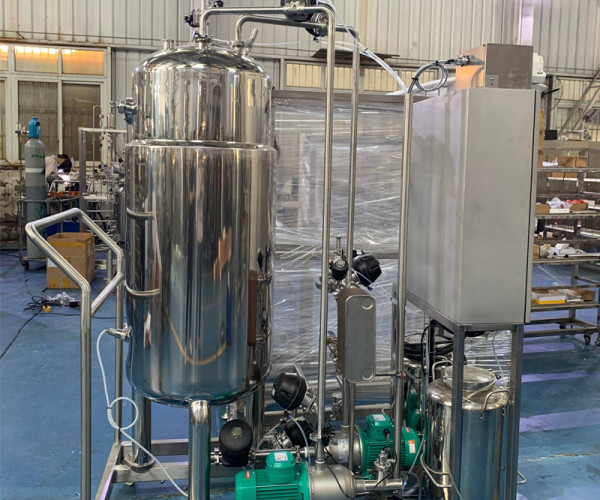
Basic Components of Modern CIP Fermenters
Feature | Benefit | Industry Use |
|---|---|---|
Which CIP Fermenter Size Works Best
The size of the tank can have a significant impact on the efficiency, the time required for cleaning, and the operating costs. Tanks that are the wrong size can cause a slowdown in the production process and loss of money. Several industries use adaptable fermenter CIP systems to meet their production needs.
How Does Tank Size Affect Production
Smaller fermenters require more frequent cleaning cycles. Strong CIP pumps are needed for industrial fermentation systems. Large tanks provide continuous output. Manufacturing area and cleaning power should be considered in tank capacity.
Standard Fermenter Sizes
Size | Production Level | Best Industry |
|---|---|---|
Things to Check Before Buying
Production goals per day
Area of production
Electric power and water
Recommended growth strategies
Modular or Fixed Fermenters
Modular fermenters make future expansion a less of a hassle. For the period of production, the fixed fermenters are better. Modular systems are a favorite for growing businesses, due to their flexibility. An effective chronical fermenter CIP arrangement may minimize downtime.
System Design: Modular VS Fixed
Feature | Modular | Fixed |
|---|---|---|
Both systems need advanced CIP cleaning technology in order to work safely.
How Does Automation Improve CIP Fermenters
Where it is used, cleaning is automated, making it safer and quicker. It's slower and there's more risk of contamination when it comes to cleaning by hand. The latest generation of CIP fermentation tank systems have digital monitoring, sensors and PLC controls.
Why Are Smart Controls Important?
Smart systems automatically monitor the length of time, temperature and pressure of the cleaning process. This creates a more comprehensive clean and less room for error. Properly configured fermentation CIP code also improves product quality and safety.
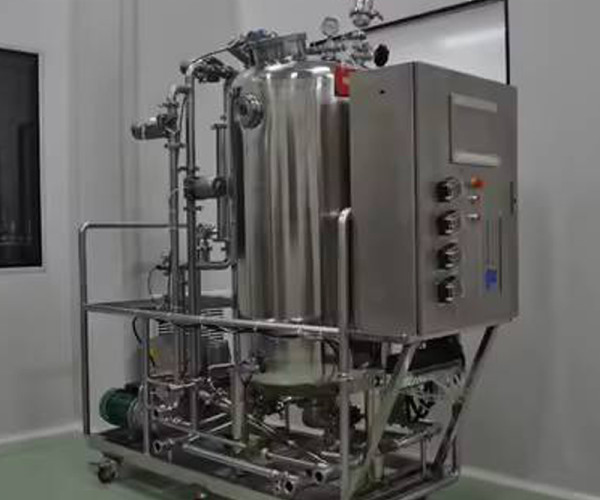
Automation Tools Used in CIP Systems
Tool | Main Benefit | Industry |
|---|---|---|
Main Benefits of Automation
Reduces the risk of contamination
Reducing the cost of labor
Improves the level of cleaning
Promotes personal hygiene
Which Automation Level Is Best
Semi-automatic systems are very popular with small manufacturers since they are cheaper. In large industries, full PLC automation is frequently chosen. Other advantages of a modern CIP for fermenter system are easier maintenance and increased efficiency.
Compare Semi-Automatic vs. Fully Automatic
Feature | Semi-Automatic | Fully Automatic |
|---|---|---|
The best system depends on the size and budget of the factory.
Which Budget Plan Gives Better Value
For many shoppers, price is the only thing that matters. However, the costs in the long run should also be taken into account. Maintenance, replacement parts, utilities and cleaning costs should all be part of a company's budget. More recent CIP systems for fermenters help save energy and water.
How Can Factories Balance Cost and Quality
Cheaper fermenters may need more frequent servicing. Premium systems generally last longer and have better automation. A good CIP cleaning system of the fermenters helps to improve efficiency and security of the production.
Cost Comparison of CIP Systems
Cost Area | Low-Cost | Premium |
|---|---|---|
Budgeting advice worth having
Evaluate costs over time
Measure your energy use
Assess the degree of automation
Help with study maintenance
Which Industries Need Premium Systems
This is why pharmaceutical and biotech companies need modern systems to address cleanliness, which is a critical issue. Brewery and dairy companies also require reliable fermenter CIP systems to ensure their products are safe.
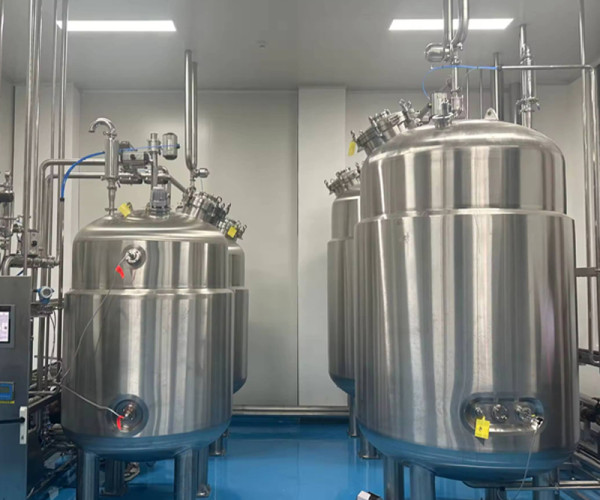
Industries Using Advanced CIP Systems
Industry | Main Goal | Best Feature |
|---|---|---|
Premium systems have better long term performance and less down time.
Frequently Asked Questions
How does a fermenter CIP function?
CIP fermenter cleans equipment without the need to open the tank. It saves time and at the same time helps to promote hygiene.
Less hand-washing
Offers protection
Facilitates faster production
Why does automation matter?
Quality of cleaning and error reduction is increased by automation.
Work reduction
Maximum uptime is ensured
Increases efficiency
Which industries use CIP fermenters?
Their main applications are in the food, dairy, brewing, pharma and biotech sectors.
Breweries
pharmaceutical garden
Factory kitchens
What is the significance of stainless steel 316L?
It won't corrode and will hold up better in cleaning solutions.
Heavy duty.
Easy to clean
Long-lasting strength
Conclusion
A high quality CIP Fermenter is an investment that will help you keep your production consistent, reduce costs and improve sanitation. A state-of-the-art CIP fermentation tank can be automated to increase the production and decrease contamination.
Jiangsu Bailun Biotech provides reliable CIP conical fermenter systems with the latest automation and professional service. They are used by many different sectors including the food, pharmaceutical, biotech and brewing industries. For those businesses in need of reliable fermentation solutions without compromising safety and efficiency, Bailun Biotech is the company to turn to.