Which Designs Reduce Bioreactor Cell Culture Shear Stress? Impeller, Flow, Gentle
- Share
- Issue Time
- Jul 11,2026
Summary
Shear stress is the force that a flowing fluid imposes on the outer layer of a cell. It develops in regions where the liquid velocity changes rapidly over a short distance. Cells in that spot feel the full brunt. The strongest point is near the tips of the mixer blades where the speed changes most rapidly
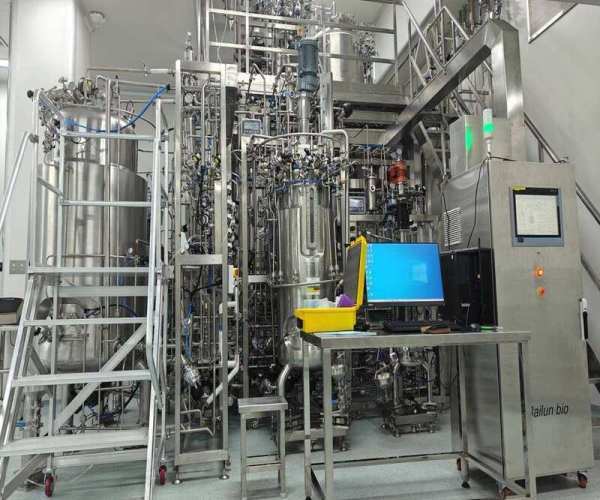
Why do cell numbers decrease with increasing mixer speed during scale-up? This is a problem faced by anyone who has ever worked with a bioreactor cell culture process. Fast mixing helps to bring oxygen and food to the cells. But it can also rip cells apart. This guide describes how shear stress in a tank is generated. It compares cell-friendly mixer geometries, air techniques and vessel types. It also has simple steps for selecting a softer setup for small lab work. Bioreactor cell culture is the process of growing living cells in a vessel. The tank controls heat, ph, oxygen and mixing. A mammalian cell culture bioreactor needs special attention. Unlike bacteria or yeast, mammalian cells do not have a rigid outer wall. That outer soft layer is easily damaged by strong mixing or fast flow. Good tank design does two things at once: it feeds cells well and keeps the mixing gentle. Mess this up and the cells spoil quickly. Bioreactor Type Typical Scale How It Mixes Shear Risk Shear stress is the force that a flowing fluid imposes on the outer layer of a cell. It develops in regions where the liquid velocity changes rapidly over a short distance. Cells in that spot feel the full brunt. The strongest point is near the tips of the mixer blades where the speed changes most rapidly.Bubbles are bad well. A bubble that bursts at the surface of the liquid releases a quick, sharp burst of force. Most cell culture bioreactors must deal with issues. Just fixing the bioreactor cell culture mixer, or just the air method, wont cut it.. The area right at the mixer blade tips, where the speed changes sharply Bubbles popping on the surface of the liquid Mostly small bubbles The water is rough and swirling near tank walls and baffles. Liquid is moved in and out by pumps and thin tubes. Tilted-blade and boat-style mixers are easier on cells than a flat-blade turbine. They move the liquid up and down the tank, not across it. A flat-blade turbine (Rushton turbine) imparts a lot of force at the very edge of the blade. Tough cells like bacteria cope with this just fine. Soft mammalian cells often cannot. The blade types that move liquid along the tank distribute the mixing force over a larger area, so that no one spot takes the full brunt. A slow, wide-mouthed mixer known as a cell-lift or "elephant-ear" mixer circulates the liquid in one sluggish loop. This type of bioreactor cell culture mixer is used in some tanks for dense growth of mammalian cells. Mixer Type Flow Direction Shear Level Best For The lesson is a simple one. First select the mixer to match the cell type, then adjust the speed. Choose bioreactors for cell culture work with mixer shape, not just motor power. Surface air and small-bubble spargers reduce bubble damage differently. Microspargers bubble numerous times. This accelerates liquid oxygenation. Bubbles boost top pop events. Surface air bubbles skip. Air is blasted over liquid instead. Tank form matters. Bubbles move farther in a tall, narrow tank, affecting pop frequency. Bioreactors with a moderate mixer and top-surface air, not fine bubbles, generate soft cell cultures. This applies to small systems. Mini bioreactor cell culture equipment protects expensive and tiny cell batches before a project. They rock or use slow magnetic mixers. Bioreactor cell culture teams with small test systems may not need a spinning-mixer tank. A short list of steps toward picking a gentle setup. Understand how robust or how fragile the cell line is. Common cell lines such as CHO cells are more heterogeneous than stem cells or fresh cells. Pair that toughness with the type of mixer. Up-and-down mixers for soft kinds of cells. Choose an air technique that gives enough oxygen, but not too many bubble pops. Make sure the shape of the tank is compatible with the mixer you have selected. Start with a small scale because shear damage doesn't always grow the same way when you scale up. These steps almost always get you the best bioreactor system cell culture teams, not a single number on a spec sheet. A good bioreactor for mammalian cell culture has an up and down mixer, gentle air flow and a mixing speed appropriate to the cell type. It also needs to allow you to monitor oxygen and pH in real time, because stressed cells often show changes before you can see cell loss with your eyes. Seek a mixer with shape and speed you can change Ensure the tank has sufficient oxygen for your cell type Choose a system that can log data so that you can troubleshoot problems later Mixer tip speed affects shear stress in a direct manner. Higher tip speed results in higher local force on cells in the region of the blade. Mammalian cell cultures are often operated at lower tip speeds than bacterial or yeast cultures as mammalian cells cannot withstand the same load. Slower tip speeds reduce shear but may impact mixing and oxygen flow Mixer size and shape also influence the tip speed required for good mixing Little tests help you find the lowest speed at which it still works well Single use bioreactors can reduce shear stress but only if the internal design is already gentle like rocking or slow-mixer type. The plastic bag or tank itself does not reduce shear, the mixing method inside does that work. Single-use tanks reduce cleaning effort and batch mixing Many single-use tanks are combined with wave motion or slow mixers Tank choice still matters more than whether it is single use or not A mini bioreactor is a small tank mainly used for initial testing, choosing the best cell line and small scale runs before the utilization of cells in a large batch. This allows teams to test lots of set ups side by side with less liquid and cells. good for early tests to see if an idea will work. Often mimics the mixing style of a larger tank Economical when testing multiple setup options at once Shear stress in a bioreactor is measured indirectly, mainly via cell health checks, a marker known as LDH, or computer models of flow called CFD. There's no easy way to measure force directly on a single cell, so labs use these other indicators instead. Elevated LDH levels usually mean damage to cell walls Computer flow models predict high-force spots before you run a real test Cell health and growth trends over time show the real world outcome Reducing shear stress is about pairing the right mixer type, air method, and tank shape for the cells you're growing. One size isn't right for all. The best way to make sure a setup keeps cells healthy is to do small scale testing before going into a bigger run. If you're building small lab tanks and want this sort of gentle, easy to adjust mixing, Bailun Biotech (Jiangsu ) is worth a look. Their bioreactor cell culture gear is designed for the same low shear, early testing needs covered in this guide, making early tests more representative of real-world conditions before you make a scale-up decision.What Is Bioreactor Cell Culture?
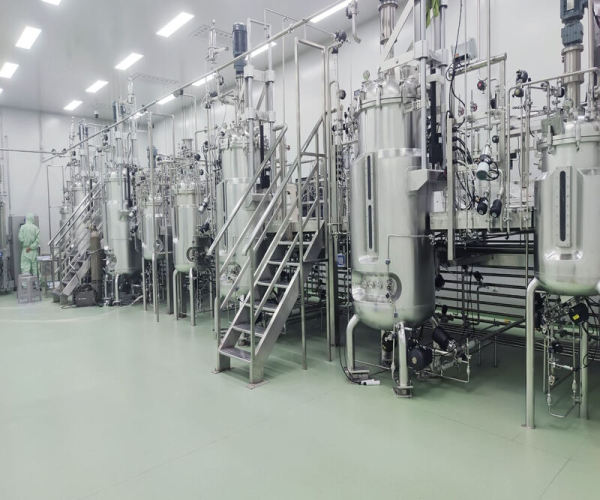
Common Cell Culture Bioreactor Types
What Causes Shear Stress in a Cell Culture Bioreactor?
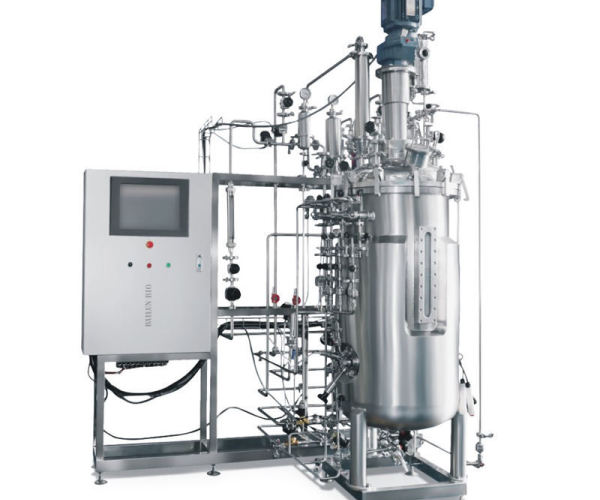
Main Sources of Shear Stress
Which Mixer Designs Are Gentlest on Cells?
How Do Air Methods and Tank Shape Cut Bubble Harm?
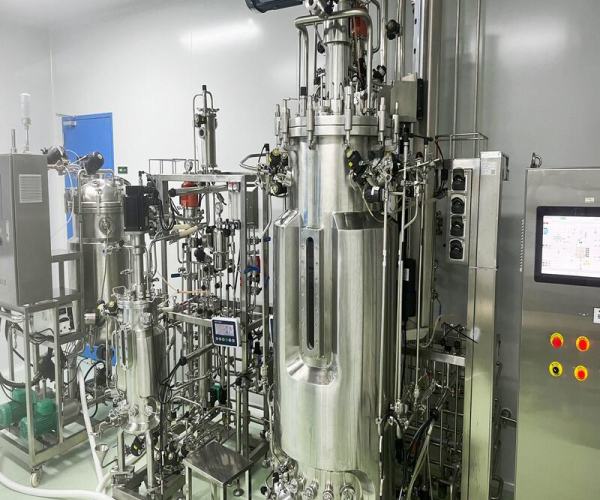
How to Pick a Low-Shear Tank Setup
Frequently Asked Questions
What are the most important features for mammalian cell growth?
How does the shear stress change with mixer tip speed?
Can single-use bioreactors reduce shear stress?
What is a mini bioreactor used for?
How to measure shear stress in a bioreactor?
Conclusion