Which Fermentation Laboratory Equipment Suits Student Research? Cost, Simplicity, Safety
- Share
- Issue Time
- Jul 18,2026
Summary
A Fermentation Laboratory is a room with tools for growing tiny living cells. Students use it to learn how to work safely in the laboratory. The best laboratory fermenter can be a small bench or an entire room of machines.
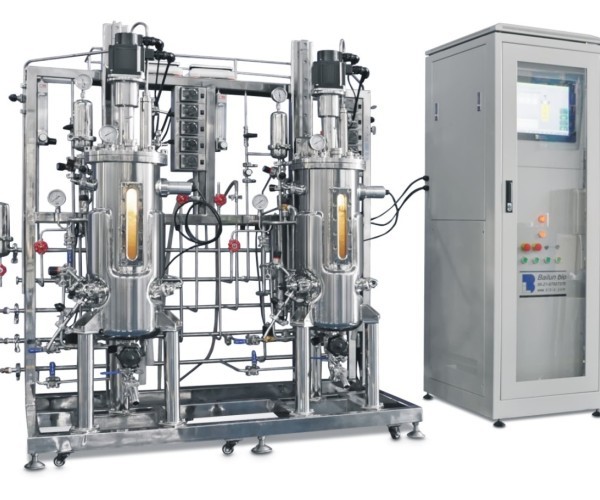
Which fermenter should a school buy on a limited budget? Many new students have never used lab equipment before. This guide will assist you to select safe, simple and low-cost tools for a fermentation laboratory.
The article compares different sizes and types of fermenters. It also includes safety parts and control tools. There is a simple way to choose the right unit at the end.
What Is a Fermentation Laboratory?
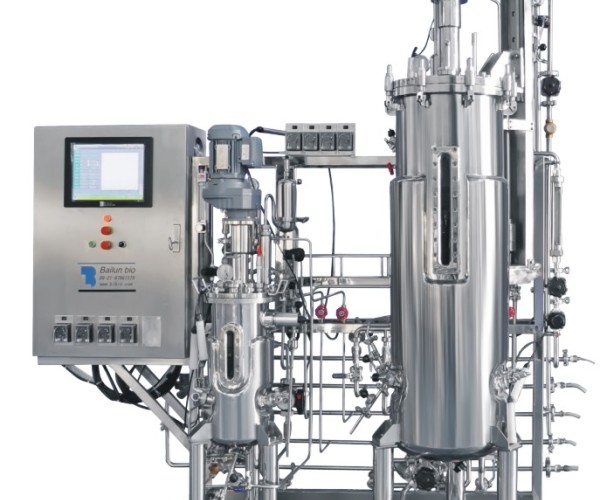
A Fermentation Laboratory is a room with tools for growing tiny living cells. Students use it to learn how to work safely in the laboratory. The best laboratory fermenter can be a small bench or an entire room of machines. In a fermentation lab these spaces will often have water, air and steam lines in common. Smaller schools usually begin with one unit. Bigger schools insert more units over time.
Laboratory Fermenter Quick Facts
Feature | Typical Range | Why It Matters |
|---|---|---|
This size laboratory fermenter fits comfortably on a regular lab bench. This helps to keep down costs early on.
What Fermenter Size Do Student Research Programs Need?
A small fermenter is what most school labs need, not a big one. 2-10 liters is a good size. This size uses less liquid and less time for cleanup.
Only suitable for a big thesis work is a bigger fermenter laboratory setup. The real limits are often cost and space. These two things are more important than the course goals.
Typical Vessel Sizes by Program Type
Bench units for microbiology labs for beginners. 1–3 liters. Manual or basic dial control.
Food science, brewing courses: 5-10 liter units with temperature control
Final projects or senior thesis: 10-20 liter units with pH and oxygen sensors
Graduate research groups: 20-30 liter systems, often with a small seed vessel
Glass or Stainless Steel: Which Fermentation Laboratory Design Is Safer for Teaching?
Glass is usually safer for teaching labs. Students can watch culture grow. So they can find problems fast. The best working units for classes at the fermenter laboratory scale are glass units of 1 to 5 liters. Steel is more expensive but will last longer. Steel can also take more heat and pressure.
Glass vs Stainless Steel Fermenters
Factor | Glass Vessel | Stainless Steel Vessel | Best For |
|---|---|---|---|
For most classrooms a glass laboratory fermenter of less than 10 liters is best. It provides better viewing at a lower price. It will also satisfy most of the safety requirements for a school.
Which Control Features Matter Most in a Teaching Fermentation Bioreactor Laboratory?
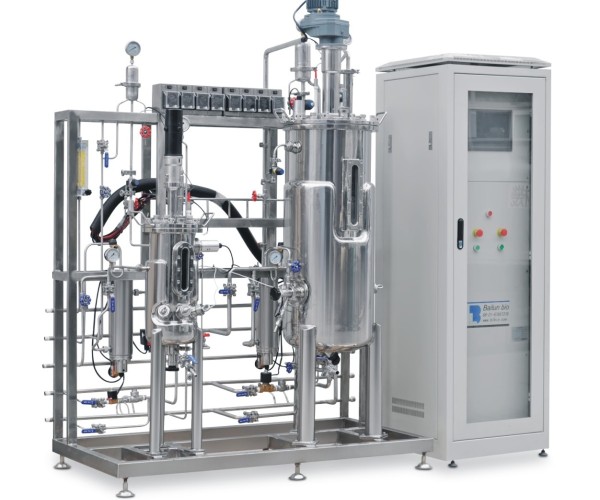
And most of all, heat control. Small changes in heat can kill a culture quickly. It can destroy a whole class study in seconds. A good fermentation bioreactor lab must also control mixing and clean air. And it needs a way to log data too. All of these parts are what the bioreactor fermentation tank laboratory needs to work together.
For most classes, basic dial controls will suffice. Computer based systems are more expensive but track more data. Also, they take longer to learn new students.
Safety parts are just as important as the controls. Each unit will require a pressure valve and a heat cut-off switch. Safe wiring and grounding also keeps students safe. Many schools follow safety steps from the CDC and NIH for cell work. These measures concern different levels of germ risk. Schools that use higher risk germs should test the safety parts prior to purchasing.
How Much Does a Laboratory Fermenter Price Range for University Budgets?
Typically, the price of a laboratory fermenter starts at several thousand dollars for a small unit. Bigger tanks, more sensors, higher cost. The manual units are cheaper than the computer based ones. A basic lab fermenter without pH or O2 sensors is cheaper to buy. Schools tend to buy those parts later anyway. This can make the real cost rise over time.
A cheap laboratory fermenter might also leave out a pressure relief valve. That is a big deal for student safety. You will rarely regret the small savings of skipping it. Factory prices can cut the cost for schools looking at China laboratory fermenter suppliers . Works fine as long as the maker has clear safety papers. Don't ever give away safety for cheap.
What drives the Price Up or Down
Vessel material: glass is cheaper than steel
Type of control: computer logging is more expensive than manual dials
Add-on sensors pH, oxygen and foam sensors add cost 1 each
Support plans: Factory service plans raise the price but cut the risk
How to Choose the Best Laboratory Fermenter for a New Program
The first step to selecting the right lab fermenter is real class size. Don't buy a future wish list. Match the tank to what the class needs at this time.
A Fermentation Laboratory design with add-on ports helps a program to grow. Sensors can be added to schools later at low cost. This keeps the first year cost down.
Count the real class size and number of class runs.
Check campus water, air and drain lines around the bench.
Get the sensors you need now, think about more later.
Ask sellers for proof of safety parts and testing.”
Don't just compare the price tag, compare the total cost over time.
Common Mistakes When Buying Fermentation Laboratory Equipment
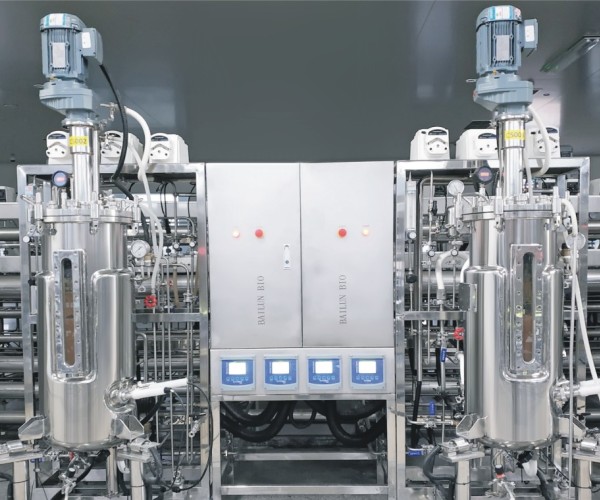
The biggest mistake is buying a tank too big for the class. A 30 liter tank is robust but wastes time and liquid Small classes don't usually need that much room.
Many problems are also caused by poor staff training. Staff need to learn about steam cycles and sensor checks. If you don't train the results are patchy and confusing.
Often no teacher helps choose the Fermentation Laboratory equipment , which leads to errors in setup. Always ask the people that will run the machine. Their input causes problems immediately.
Buying too large tank for the size of the class
No training on pH and oxygen sensors
Ignoring water, air or drain needs
Buying a unit without local help and parts
Frequently Asked Questions
How large should a student research fermenter be?
Student research fermenters are usually 2 to 10 liters in size. This size is good for most class objectives. It saves on liquid and clean up time as well.
Beginner classes: 1-3 litres
Advanced/Thesis work: 10–20 liters
Glass or stainless, which is better for a teaching lab?
In teaching labs glass is normally preferred. Students see the culture growing within it. Steel suits labs which run many large batches.
Glass: cheaper, transparent
Steel: longer service life, more pressure control
How much does a basic lab fermenter cost?
A small basic lab fermenter costs a few thousand dollars. Adding sensors drives that price up. Manual models have the lowest cost.
Manual control: Best Price
Computer control: more data, higher price
What are the safety features a teaching fermenter should have?
A teaching fermenter needs a pressure valve and a heat cut off. These parts stop damage on runs. And safe wiring is a must as well.
Pressure relief valve
Heat disconnect switch
Grounded wire
Can a small fermenter be scaled up later for research?
A small fermenter can be grown with a program over time. It requires open ports for new sensors. That will save money on future upgrades.
Look for spare sensor ports.
Search for larger matching tanks by the same manufacturer
Conclusion
The bottom line in choosing student research gear is size, controls and safety. Safety parts are never to be skimped on, but cost is important. Prices and support can vary widely from vendor to vendor.
Bailun Biotech (Jiangsu) builds glass-and-steel tanks for schools like this one. As a Fermentation Laboratory factory it offers sizes from small bench units to larger pilot tanks. Schools can see current models at their site.