Which Stirred Tank Bioreactors Maintain Sterile Processing? Seal, Gasket, Validation
- Share
- Issue Time
- Jul 4,2026
Summary
A stirred tank bioreactor is a tank with a mixer. The mixer stirs the living cells so they grow well and get enough air. The simplest stirred bioreactor consists of a tank, a mixing rod, and a way to add gas.
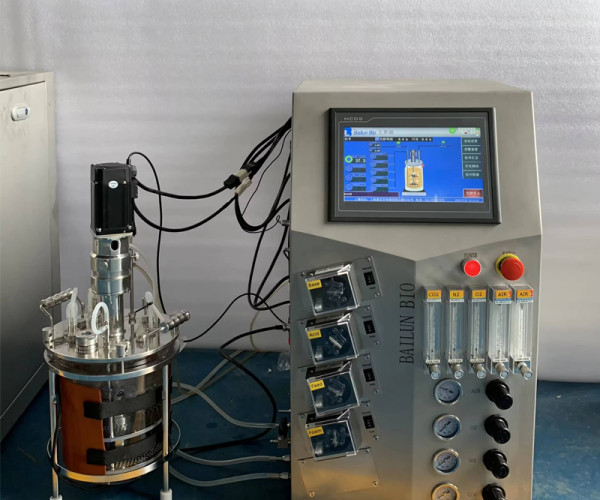
Will this seal pass a sterility test after months of use? Or time to change the gasket before the next batch? It's a question that I have noticed in my 8 years of experience as a scientist. Workers ask all the time in labs that grow cells or run fermentation in stirred tank bioreactors. This article reviews actual practices employed by manufacturers of stirred tank-bioreactors. This post describes how a stirred-tank bioreactor stays clean. It includes SIP and CIP steps. It likens single-use bags to steel tanks. It shows how the double seals prevent germs getting into the mixer rod. A stirred tank bioreactor is a tank with a mixer. The mixer stirs the living cells so they grow well and get enough air. The simplest stirred bioreactor consists of a tank, a mixing rod, and a way to add gas. Larger tanks have more parts. A heating jacket, sample valves, sensors and a seal where the mixer rod meets the tank wall are also included. bioreactor, or CSTR. Since a CSTR never goes completely dry, its seals must be checked differently. One of the most common bioreactor configurations for cell growth work is stirred tanks. This is true of animal cells as well as germs such as bacteria. This type of tank is effective in a variety of sizes. A sparged stirred-tank bioreactor has gas from below the mixer added through small holes called spargers. Part What It Does Common Material SIP and CIP are two procedures involved in the cleaning and sterilisation of a tank. SIP stands for sterilize-in-place. CIP = Clean in place. Working together, they keep a steel-stirred tank bioreactor clean between batches, without disassembly. First up is CIP. Next is SIP. It uses hot steam, often under pressure at 121 °C (250 °F), for 20 to 60 minutes. Time depends on tank size. Steam has to get everywhere including the sparger , valves and seals. The design rules for tank parts are given in the ASME BPE rulebook. It helps to make sure steam and cleaning fluid reach every spot. A good SIP cycle usually requires: Steady, hot steam, held at the right heat and time, even at the coldest part of the tank Sensors are placed at the hardest spots to heat, like the sample valve or sparger tip Pipes are engineered to drain fully so water does not collect and breed bacteria A record of heat, pressure and time for each cycle, kept for future checks Gamma radiation and a sealed bag keep a single-use bioreactor bag clean, not steam. The bag is pre-sterilized by the manufacturer. You make one batch and toss it. So a single-use stirred-tank bioreactor eliminates the need for CIP and SIP checks. Lots of plants like this run lots of small batches. But bags have their limits Most are less than a few thousand liters. And every batch gets a brand new bag, which is money every time. Steel tanks have a higher initial cost. But they can hold a lot more, often over 20,000 liters, and they don't need a new bag each time. What Matters Single-Use Bag Steel Tank Why It Matters No single choice is always successful. Each has its trade-offs. Bags skip the steam checks, but need a reliable, steady supplier. Steel tanks are expensive to check, but they can last for years, at large sizes. If you make one big product, steel is often a better fit. The double seal prevents germs by having a special fluid between two seal surfaces. This fluid is referred to as a barrier fluid. If there is a leak, it's clean fluid going in, not germs. The mixer rod has to go into the tank from the clean interior to the exterior. This is the hardest place to get a good seal on the tank. One seal face is all a single seal has. If it wears out, air or germs can get sucked in while the mixer is spinning. A double seal does this. It has two seal faces with clean fluid in between at higher pressure than the tank interior. So if anything does leak, clean fluid goes in, not germs.” A tank of clean fluid is maintained at a higher pressure than the vessel interior. Continuously this fluid circulates between the two seal faces. The pressure is monitored by a sensor and an alarm is raised if it falls. If the alarm sounds, the batch is stopped so workers can investigate. When choosing a tank, a few things are most important: The size you require. Single-use bags work well under about 2,000–3,000 L. Bigger jobs require steel. How often do you switch products? “Switchers tend to like the speed of single-use bags. Your route to approval. Steel is the choice for consistent, repeat results in big late-stage drug programs. Developed with support from. Look for clear IQ, OQ and PQ documents, and a design that is built to ASME BPE rules. Total cost in time. Each time compare the cost of new bags to the cost of purchasing and cleaning the steel tank. Steam-in-place uses heat at about 121°C (250°F). It holds that heat for 20 to 60 minutes. The exact time depends on the size of the tank and the method of testing. Steam is normally kept at a pressure of 15 to 30 psig Sensors ensure the whole tank is heated up enough A full CIP and SIP cycle on a large tank takes about 3 to 8 hours. Bigger tanks, more parts, longer. CIP alone can require 1 to 3 hours SIP With heating and cooling, adds 2 to 5 hours Double seal means two seal faces with clean fluid in the middle. A single seal has only one face and no additional fluid layer. Individual seals are less secure but cheaper Clean cell work is normally done with double seals Three checks, IQ, OQ and PQ, must be performed before a tank can be used for real drug batches. OQ confirms SIP and CIP are working as intended PQ assures clean, accurate batches every time with the tank The main advantage of a stirred tank bioreactor is even mixing and good oxygen flow, in almost any size. Beneficial to animal cells and bacteria Backed by years of real-world use and data There are a few vital choices to keep a stirred tank bioreactor clean. How good is the clean and steam between batches? What is the best size of a bag or a steel tank? And how does the seal keep the germs out while the mixer is running? These are complementary decisions. But a good SIP cycle is of little use if the seal is worn out. If you are seeking a new tank, Bailun Biotech (Jiangsu) is worth a look. The company produces steel and single-use tanks ranging from small lab size to large industrial size. It is certified ASME U Stamp and ISO 9001. It also supports GMP checks according to FDA and EU regulations. Good paperwork is as good as a good seal.What Is a Stirred Tank Bioreactor?
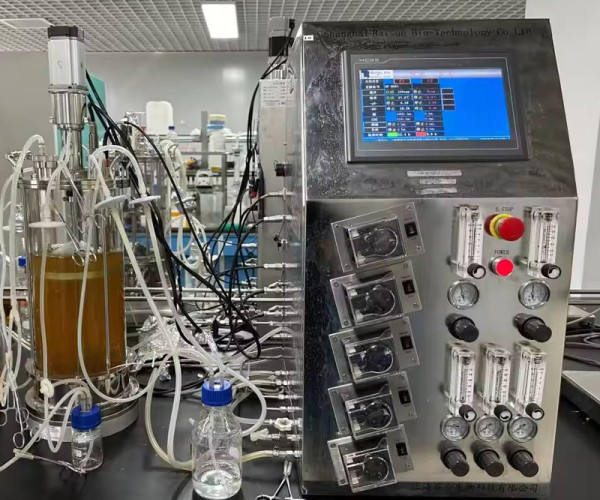
What Are the SIP and CIP Protocols for Bioreactor Sterility?
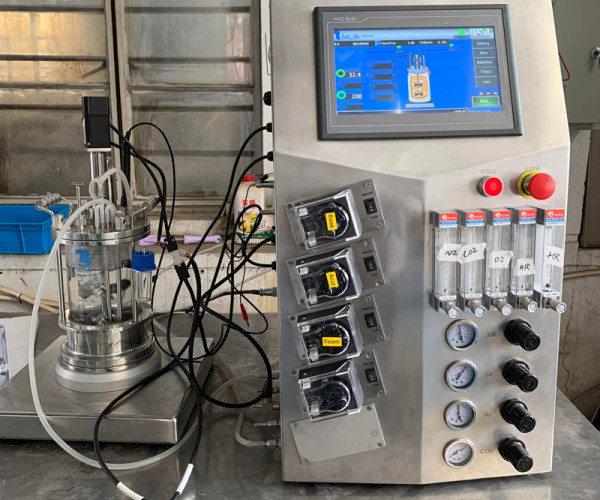
Single-Use Bioreactor Bags vs. Sterile Vessels
How Do Double Mechanical Seals Prevent Contamination?
The barrier fluid works in steps:
How Do You Select the Right Sterile Stirred Tank Bioreactor?
Frequently Asked Questions
What is the temperature for bioreactor in-place steam sterilisation?
What is the overall cycle time of a CIP and SIP cycle in a production scale bioreactor?
What is the difference between a single mechanical seal and dual mechanical seal?
IQ, OQ, PQ for bioreactor sterility validation?
Stirred tank bioreactors have several advantages over other types of reactors.
Conclusion