Why Do Labs Invest In Parallel Bioreactor Systems For R&D? Speed, Data, Efficiency
- Share
- Issue Time
- Aug 9,2026
Summary
A parallel bioreactor system is used to operate multiple bioreactor vessels simultaneously. Each vessel is individually configured. This enables researchers to test multiple conditions simultaneously rather than sequentially.
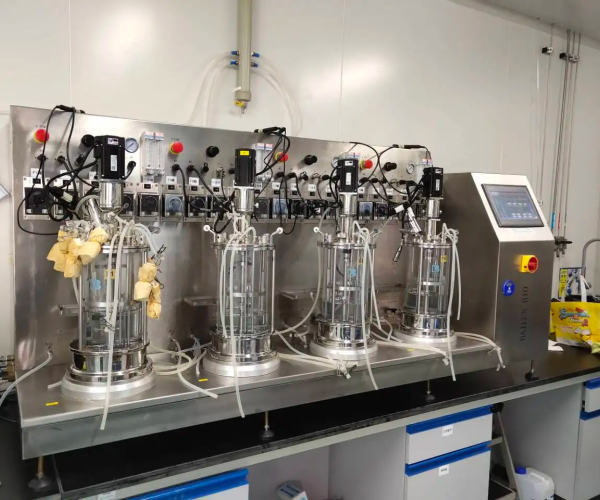
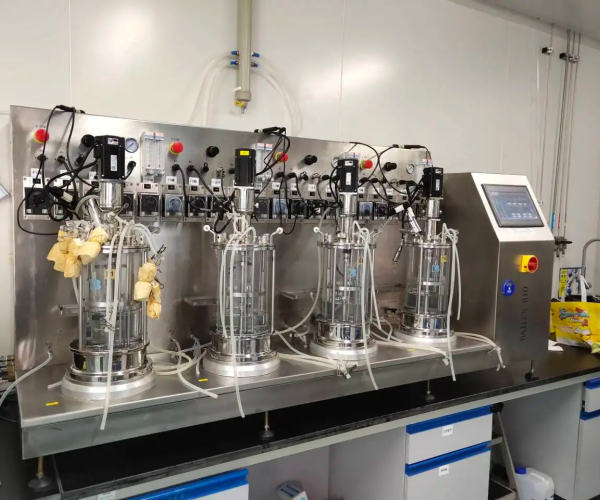
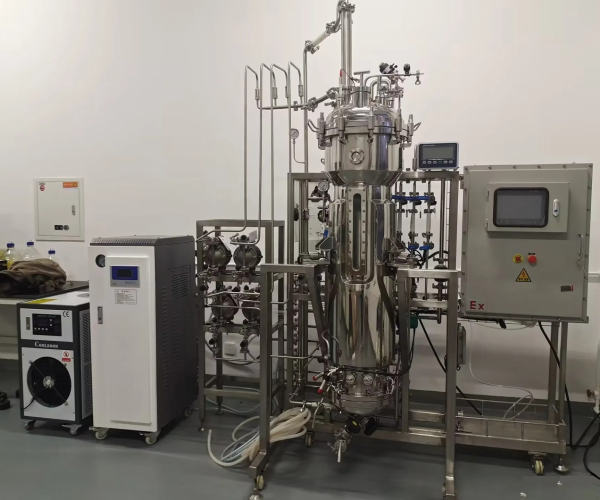
It takes time to run a bioreactor. You wait weeks to compare things you could test at the same time. In R&D, that delay is the real cost. This article explains why parallel bioreactor systems are a standard tool in process labs today. It describes what these systems are. It also covers the case for buying one in terms of speed, data and cost. Finally, it shows how to choose between mini, benchtop and multi-vessel configurations. By the end, you will know how to match a system to your stage of research. You will also learn factors that affect the price of a bioreactor for sale. A parallel bioreactor system is used to operate multiple bioreactor vessels simultaneously. Each vessel is individually configured. This enables researchers to test multiple conditions simultaneously rather than sequentially. Individual control of each vessel of a parallel bioreactor system. It can automatically set the temperature, pH, oxygen level and stirring speed. Most vessels have a single screen for controlling data and monitoring. These systems are used in the laboratory for cell culture, fermentation and process work. Feature What It Means Typical Range Why It Matters Mini bioreactor systems are based on small volumes (typically <1 liter). It also has more ships per unit than This means it's a good candidate for early testing, when a lab needs to check lots of options quickly. A parallel bioreactor system ( benchtop ) uses larger volumes per vessel. These are in the nature of pilot scale conditions. Once a few options have been selected for further investigation, labs use a benchtop setup. There are three reasons why labs invest in parallel bioreactor systems. They save time. They provide more believable data. They also reduce the cost per result. So teams run all of the tests together, not one at a time. All tests are from the same source material and under matched conditions. The reason parallel setups are now common rather than rare is the combination of speed, good data, and low cost. Testing five types of media one by one can take months. Each run has to be setup, grown and cleaned up. All five are running simultaneously on the same schedule in a parallel bioreactor system. This saves more than time on the calendar. It also allows a team to see quick, early results. They can do the next round of tests sooner, without needing to wait a long time in between. Small changes unrelated to the actual test can be detected with one-run tests at a time. Things like cell age, reagent batch, or even room heat can change from week to week. Parallel bioreactor systems reduce a lot of this noise. All vessels are from the same cell bank and reagent batch. They run in the same room, at the same time. Thus any real difference is more likely due to the test rather than to chance. Running tests in parallel saves more than time. It also reduces the total cost of getting a clear answer. Fewer rounds of testing required to get an answer Less reagent, less cells per result Reduced staff time for setup and cleanup Less chance of a single bad run costing the whole test Different stages of research require different gear. By matching the system to the stage, a lab can avoid buying more than it needs. Early screening: mini parallel bioreactor systems for fast, wide screening Process optimization: from a parallel benchtop bioreactor system for process optimization Scale-up checks: Fewer, larger vessels behave more like real production Multi parallel bioreactor setup is not a one size fits all. It can be a small 4 vessel bench top unit. Or it can be a large platform with 24 vessels or more. The number of vessels should be equal to the number of items to be tested. Don't make it your biggest system to buy your money. Too many vessels are costly with no real benefit. Say a lab wants to test three types of feed against two pH levels. This will require at least six vessels, and spares to assure reliable results. Buy a 24-seat system for that test and most of the seats will be empty. A shared control system is simple to monitor. All vessels are shown on one screen. It has one weak point tho. Fails shared control, every run on it is hit. More freedom with separate vessel units. Each has its own risk separate from the others. The trade off is more work to get all the data together in one place. A short checklist makes it easier to compare the systems: This is better than judging solely by price or vessel count. Working volumes to match your cell line or organism Sensor accuracy and frequency of checking Software that records data and lets you compare ships Sterilization method- Heat-treatable glass, or disposable components A lab bioreactor with multiple vessels but poor software can be a source of additional manual work. The work you do can cancel out the time you saved by running tests in parallel. Benchtop bioreactors are for early-stage testing, not for full-scale production. Mixing and flow on a benchtop scale do not always correlate to what happens in a 500 liter or larger vessel. Factor Benchtop Systems Pilot-Scale Systems The data from a benchtop run does not always scale linearly. What works well at 2 liters may not work as well at 200 liters. So a check at a larger volume is still a necessary step, not an additional one. Buying gear is a real life decision. In my experience, people looking for a bioreactor for sale are often ready to buy. And weighing cost against features. The cost of a parallel bioreactor system is largely determined by the number of vessels, the degree of automation, the quality of the sensors, and any licensing fees for software. A system with auto feed control and top sensors will be more expensive than a basic hand-run one. Actual prices are subject to change according to market conditions. Putting a fixed range here would age quickly. The best way to budget is to ask a supplier for a current quote . A used or fixed up system can be a smart choice for a lab on a budget. It provides the power of parallel testing at a reduced cost even when the calibration history is not fully known. In a controlled environment new equipment is often worth the extra cost. Full calibration records, test proof and a maker's warranty are important for compliance there. In new parallel-bioreactor systems, software is now nearly as important as hardware. Labs want data links built in to send results directly to their analysis tools. This is better than copying numbers by hand from each vessel. Single-use vessels are also more prevalent now. They cut down cleaning time between test runs. This is especially true for labs doing fast, frequent screening work. Mini bioreactor system has more vessels and small volumes. The benchtop parallel bioreactor system uses larger volumes, closer to pilot scale. Mini systems are ideal for quick early screening “Benchtop systems are best for deeper work later.” Parallel bioreactor results are a guide and not a sure match to full production. At larger sizes mixing and flow are changed. So you still need a check at pilot or full scale before you lock in a process. These are most frequently used by biopharma, industrial biotech and university bioprocess labs. They're also used by food and drink manufacturers to refine recipes and strains. The cost of a parallel bioreactor system is determined by the number of vessels, automation and sensors. There is no single figure that captures the whole market. To get a good idea of what it will cost, you should ask a supplier to give you a quote based on what you need. Many lab bioreactor systems allow for adding new sensors, software or additional vessels after purchase. See if you can upgrade before you buy. This avoids getting stuck with a fixed configuration later. The argument for parallel-bioreactor systems is simple. You save time. The more data you have, the more you can trust the data. You pay less for a result. It's not about testing more. This is about running better tests, faster. If you're a lab looking to compare suppliers, Bailun Biotech (Jiangsu) is worth checking out. Mini and benchtop parallel bioreactor systems are offered for early screening and deeper process work, with configurations that grow with your lab's needs.What Is a Parallel Bioreactor System?
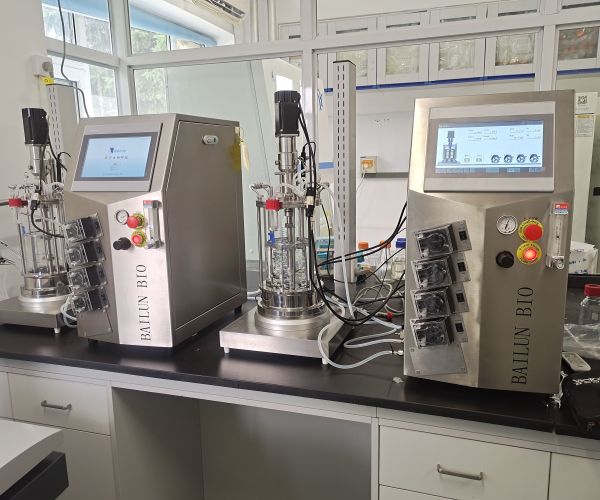
Mini Bioreactor vs Benchtop Parallel Bioreactor Systems
Why Do Labs Invest in Parallel Bioreactor Systems for R&D?
Speed: Compressing Months of Testing Into Weeks
Data: More Comparable, Higher-Confidence Results
Efficiency: Lower Cost Per Data Point
Where Parallel Bioreactors Fit in the R&D Workflow
Multi Parallel Bioreactor Configurations
Choosing Vessel Count Based on Experimental Design
Shared Control Systems vs Independent Units
What to Look for in a Lab Bioreactor Setup
Benchtop Bioreactors vs Larger Pilot-Scale Systems
Buying Considerations: New vs Used Bioreactor Systems
What Affects Bioreactor for Sale Pricing
When a Used or Refurbished System Makes Sense
Emerging Trends Shaping Parallel Bioreactor Systems
Frequently Asked Questions
What is the difference between a benchtop and mini bioreactor system?
Are the results from parallel bioreactors scalable to production volume?
Which industries use parallel bioreactor systems the most?
What is the typical price of a parallel bioreactor system?
Lab bioreactor upgrades after purchase?
Conclusion