The competition for active pharmaceutical ingredients of semaglutide has shifted from "who expands faster" to "who is stronger" (analyzing the three major tiers in China)
- Share
- Issue Time
- Nov 28,2025
Summary
The competition for active pharmaceutical ingredients of semaglutide has shifted from "who expands faster" to "who becomes stronger".

The differentiation of the three major tiers marks a new stage of capability driven development in the industry.
In the future, only enterprises that possess scale, technology, cost, and industry chain synergy capabilities can establish themselves in the global market.
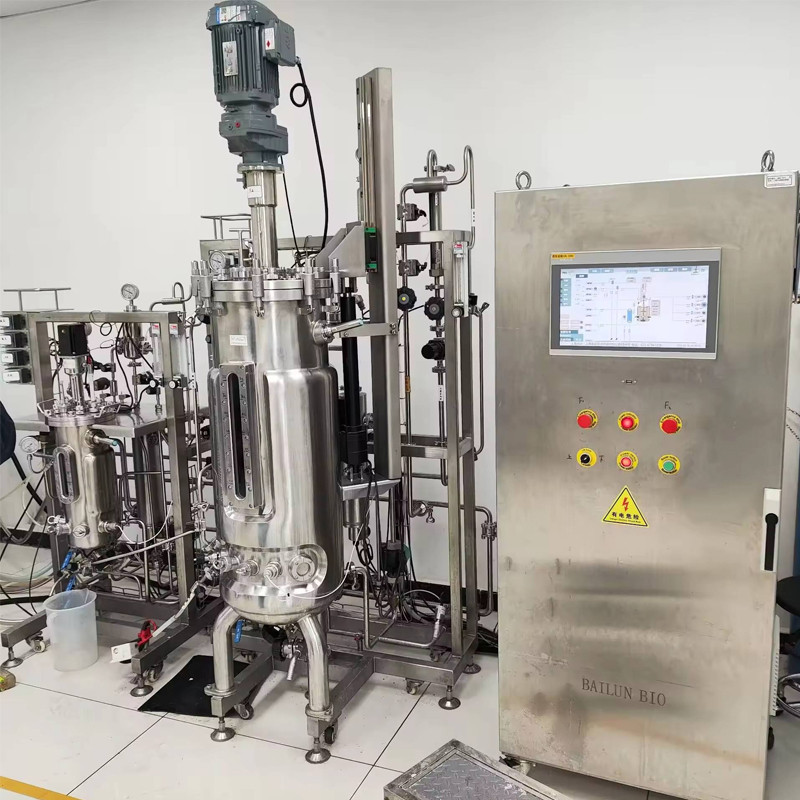
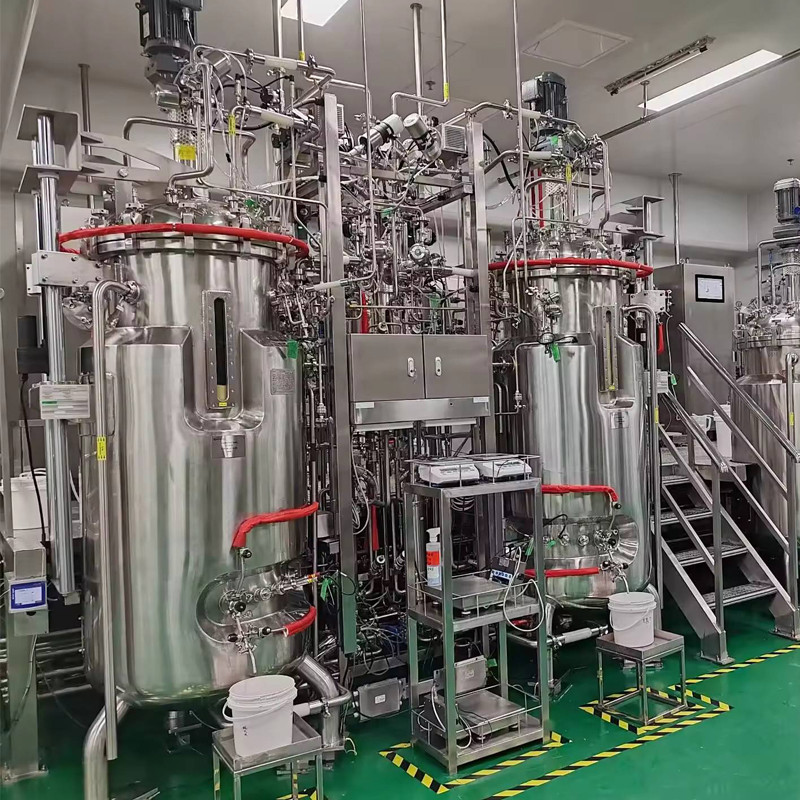
1、 The core difference among the three major tiers is 1 The first tier of production capacity differences has achieved ton level mass production, with some production lines having ten ton level plans and supporting co production of peptide drugs, which can stably supply global major customers.
The second tier production capacity is mostly between several hundred kilograms and one ton, focusing on regional orders and improving utilization through optimizing batch efficiency, rather than blindly expanding production.
The third tier is mostly composed of small and medium-sized manufacturers with a production capacity of less than 100 kilograms, relying on small batch customization or scientific research orders, and lacking sustained supply capacity.
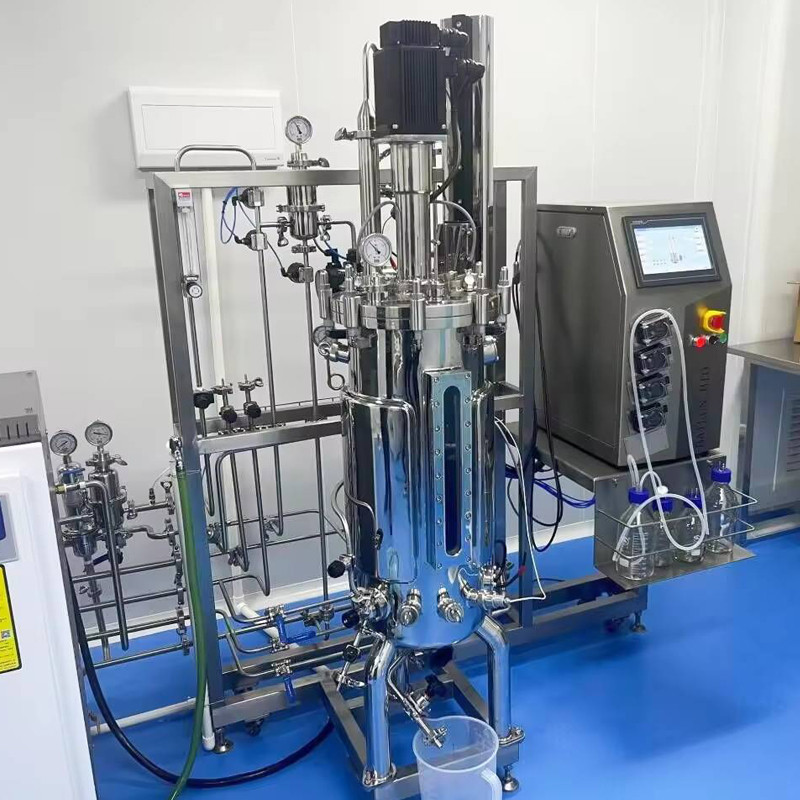
2. Differences in technological paths: Leading companies not only master solid-phase synthesis (SPPS), but also explore new paths such as fermentation and solid-liquid fusion. The product purity exceeds 99%, impurity control meets international standards, and has passed FDA/EMA certification.
Midstream enterprises mainly focus on optimizing mature processes, with slightly lower yield and purity, and certification is concentrated in domestic or emerging markets.
Tail end enterprises often use the basic SPPS process, which results in significant quality fluctuations and difficulty in gaining recognition from mainstream customers.
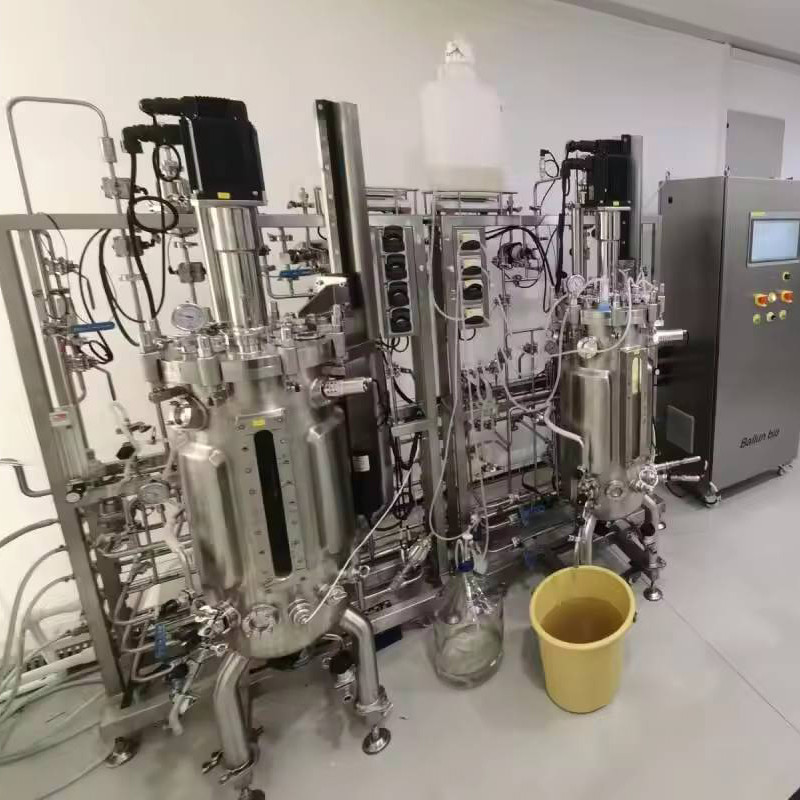
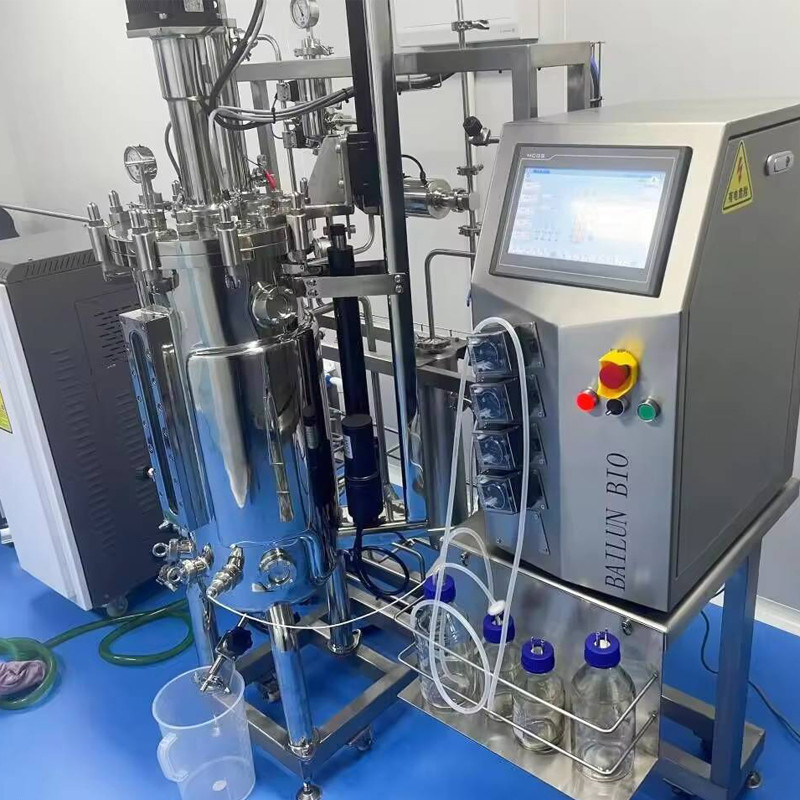
What does a flexible biomanufacturing platform look like?
3. The first tier of cost control differences relies on economies of scale, self supply of key raw materials, and process optimization, with a single ton cost that is more than 40% lower than the industry, possessing global price competitiveness.
The second tier reduces costs through regional collaboration and batch scaling, but key links are still constrained by outsourcing, resulting in costs 20% -30% higher than the top tier.
The third tier has a very narrow survival space due to its small scale, high losses, and external procurement of raw materials, with costs exceeding the average by more than 50%, and some even sacrificing quality inspection and control fees.
4. Market positioning differences: The top customers are mainly original pharmaceutical companies and international CDMOs, with exports accounting for over 50%, stable orders, and long cycles.
Midstream enterprises focus on domestic formulation factories and emerging markets such as Southeast Asia and Latin America, with orders mostly quarterly and exports accounting for 20% -50%.
The tail end customers are mostly small pharmaceutical companies or research institutions, with scattered orders and low stickiness, which are easily affected by centralized procurement or price wars.
2、 How does hierarchical differentiation affect the future pattern? Accelerated increase in concentration: In the next 3-5 years, the top five enterprises are expected to occupy more than 70% of production capacity and more than 80% of sales revenue, with a large number of small and medium-sized manufacturers exiting and only a few specialized and segmented fields surviving.
Technology becomes the lifeline: new processes such as fermentation and synthetic biology will be led by the top tier, and if the second tier cannot establish their own characteristics in impurity control and oral adaptation, they may become intermediate suppliers; The third tier is difficult to keep up with technological iteration and is eventually eliminated.
Price is controlled by others: Global market prices are dominated by top companies and are expected to decrease by 30% -40% within three years; Midstream maintains a premium of 10% -20% in the regional market; The tail is trapped in uncompetitive high prices, and the market continues to shrink.
Integration into the mainstream: extending the head upstream to key materials such as amino acids and side chains, and expanding formulation cooperation downstream; Strengthening the binding of "raw materials+CDMO" services to customers in the midstream; The tail is difficult to participate in integration, and profits are further compressed.
Polarization of risk resistance ability: With its global layout, technological reserves, and cost advantages, the top can cope with multiple impacts such as patent expiration, price wars, and policy changes; The midstream relies on regional resilience and needs to quickly adjust strategies; The tail has almost no buffering capacity, and fluctuations are a crisis.