Your fermentation tank can't be cleaned at all, but it's okay
- Share
- Issue Time
- Dec 26,2025
Summary
A few days ago, I had a meeting with a client who wrote the old saying again in the URS:
The internal cleaning of the fermentation tank must be 100% covered and there must be no dead corners
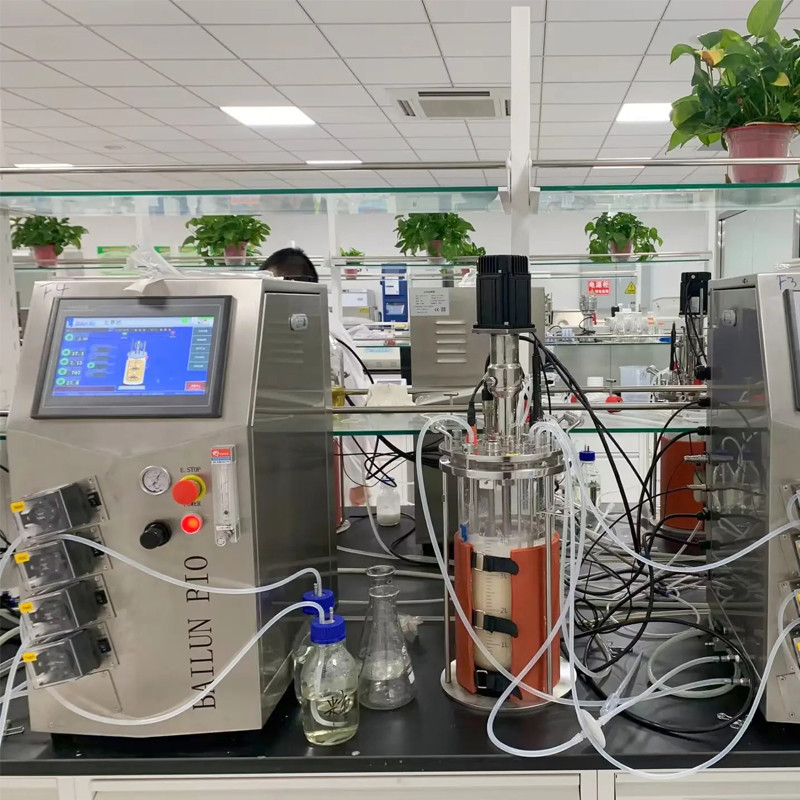

I smiled and didn't refute on the spot. But I know in my heart
——This is beautiful to say, but almost impossible to do.
After all these years of equipment validation and clean process development, I have seen too many people treat "coverage" as a universal indicator.
What was the result? After running the program, when I opened the can, I saw that there were still dry fermentation residues hanging under the mixing shaft.
Let's have a heart to heart talk today:
Can the fermentation tank be washed to 100%? What if I can't wash it? And, what truly deserves attention.
1、 Covered "≠" washed clean "Many people think that as long as the water flows over, it is considered clean. This is the biggest misconception.
For example, if you use a water pipe to flush the wall, the water may have spilled, but the layer of oil on the wall is still there. The same goes for fermentation tanks - water contact is only the first step, the key is to see if the residue has been truly removed.
GMP requires' acceptable residual levels', not 'spilled water'. So, the cleaning validation focuses on hard data such as wiping samples, rinsing water TOC, and HPLC detection, rather than whether there is fluorescence in riboflavin testing.
Is riboflavin testing useful? Useful, but it only helps you find blind spots and adjust programs, not acceptance criteria.
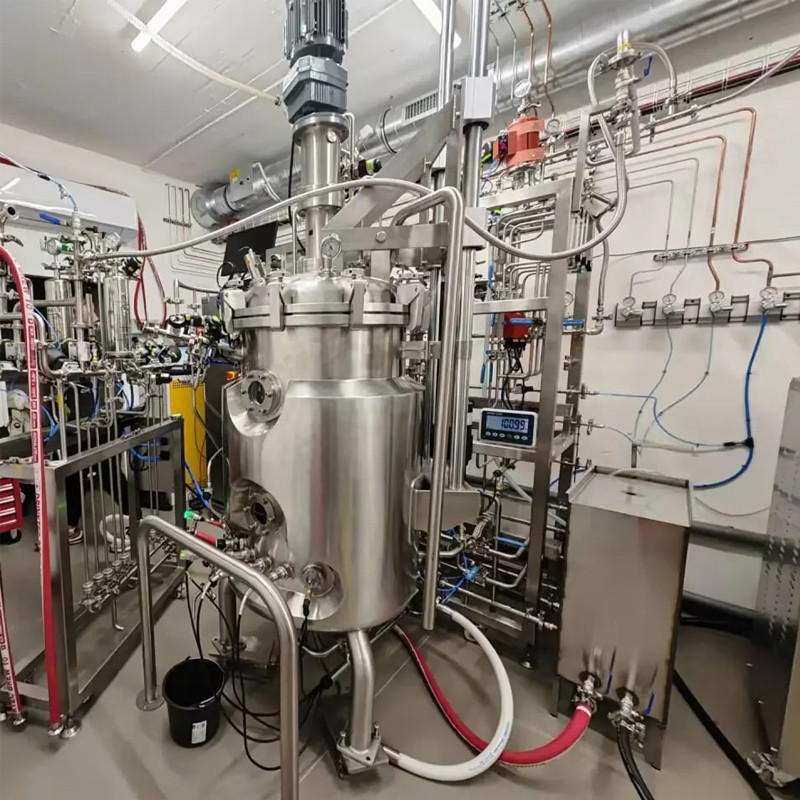
2、 Why is there always a place that can't be washed? Simply put, structure determines fate.
In a standard fermentation tank, just these components are enough: multi-layer agitator blades (especially the bottom layer), cooling coils (horizontally installed for easier dirt storage), baffles, air distributors, sensor sleeves, tank top mechanical seals, flange gaps
These places are known as "dead zones" in fluid mechanics - water rushes through them, travels around them, and cannot even touch the back or bottom.
We have conducted no less than twenty riboflavin tests, and the results are highly consistent: the lower edge of the stirring blade, the bottom of the coil, and the root of the baffle, nine out of ten times showed fluorescence. Even with high-pressure spinning and spraying, it is difficult to completely solve the problem.
It's not that the equipment is not working, it's that the physical laws are there.
3、 Since it cannot be completely washed, we cannot achieve 100% of the key points, but we must guard the critical areas.
My suggestion is very practical: the upper surface of the top mixing blade must be washed thoroughly.
Why?
It is most easily hit by a spray ball; If even this area cannot be cleaned thoroughly, it indicates that there is a problem with the entire cleaning system design; More importantly, the upper residue is easy to be carried to the next batch with foam or exhaust gas, with the highest risk.
Using this area as the 'passing line' is much more meaningful than just shouting 'full coverage'.
4、 For places that cannot be washed, rely on "soaking" to save them. For blind spots that cannot be washed, don't force the water flow. Instead, use chemistry and time to solve the problem.
We have verified the effectiveness of both practical methods:
Method 1: Boil the high-level alkali solution with 1-2% NaOH solution, fill it to the top of the tank and heat it to around 80 ℃. Soak for more than 30 minutes and stir at low speed (do not knock it off) to allow the alkali solution to slowly penetrate. Key: Do not circulate and drain, maintain a high liquid level
Method 2: Add a "liquid retention section" to CIP. After the regular cleaning cycle is completed, pause the emptying and let the alkaline solution soak in the tank for 10-15 minutes. This is particularly suitable for handling dry deposits that occasionally splash onto the top of the tank after roof caving
Remember: For problems that cannot be solved by rinsing, soaking may work.
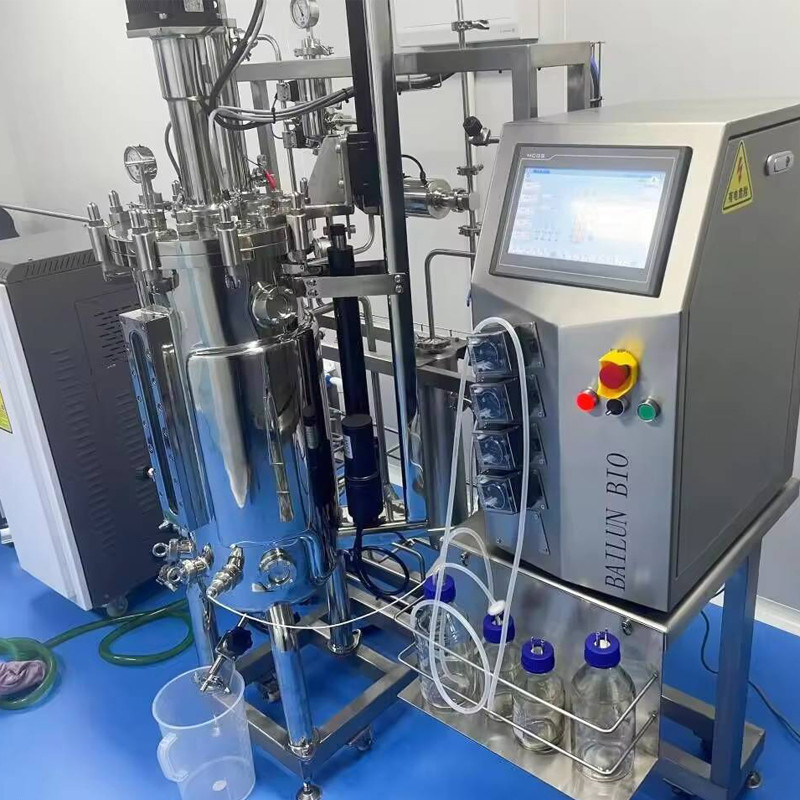
5、 Small jar, don't force CIP on it
There's really no need to implement fully automatic CIP for those small cans in the laboratory.
High cost, poor effectiveness, and space occupation. We have seen many units that install CIP stations for "automation", only to have to manually wipe them after each wash.
A more practical approach: quickly open the can lid for easy visual inspection, and equip it with a handheld high-pressure water gun to flush out any dirt, pH electrodes, temperature sleeves, etc., and directly remove them to soak
Whether it is clean or not is not related to whether it is automatic or not, but to whether people recognize it seriously or not.
After working in engineering for a long time, I have come to understand one thing more and more: ideals are full, and the site feels tough.