Choosing the wrong reactor will make even the best bacteria useless: how to choose among 6 mainstream bioreactors?
- Share
- Issue Time
- Dec 31,2025
Summary
In the field of bioengineering, I often hear people say, "Our bacterial strains are particularly good, with high expression levels, but the results are not good after scaling up."
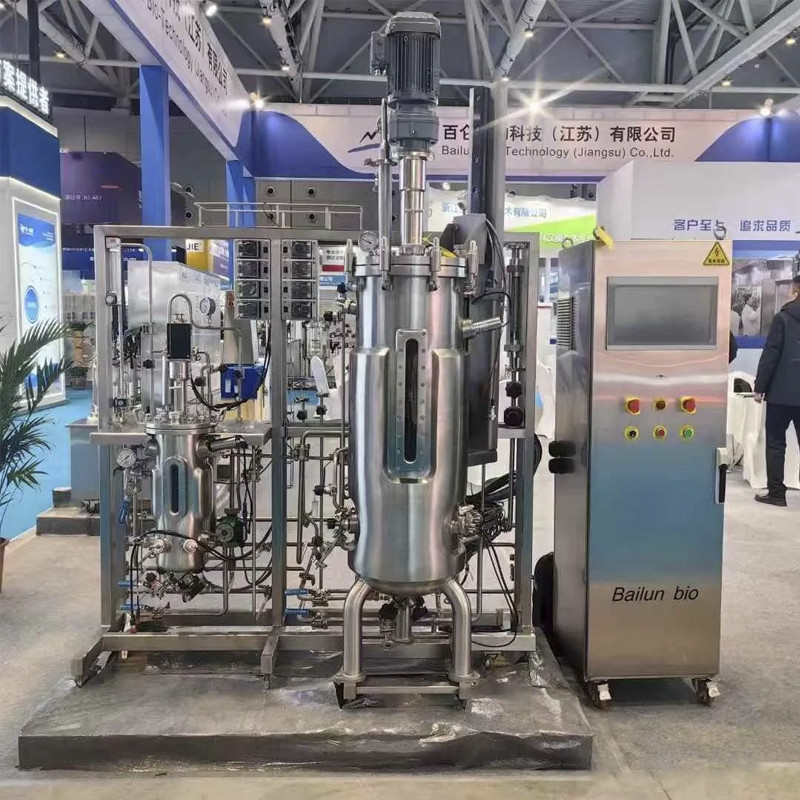

Today, let's talk in plain language about the characteristics, applicable scenarios, and potential pitfalls of the six most common bioreactors, to help you avoid detours.
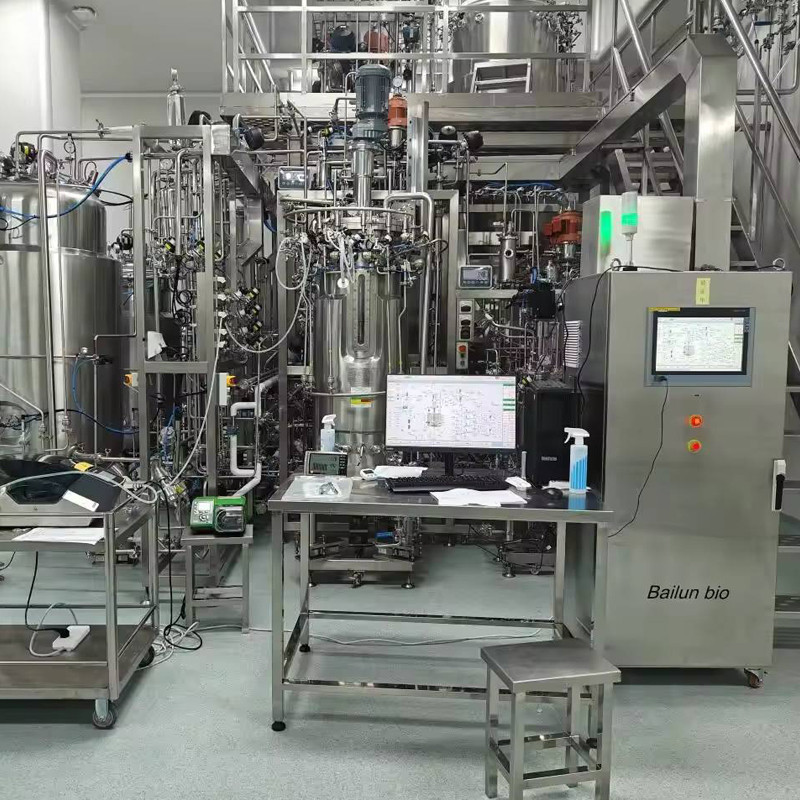
1. Stirred tank reactor (STR) - the "industry veteran", but not a universal solution. It is currently the most mainstream and mature reactor, and can be found in applications ranging from 5L in the laboratory to 20 tons in factories.
✅ Advantages: Even mixing, precise dissolved oxygen control, full online monitoring of parameters (pH, DO, temperature), clear amplification path, and GMP certification friendly
⚠️ Caution: The stirring paddle rotates, generating significant shear force. Cells like CHO cells and certain insect cells, which are delicate, are prone to lysis under high-speed stirring.
At this point, it becomes necessary to reduce the rotational speed, switch to a different propeller type, or even consider other alternatives.
📌 Who is it suitable for: Large-scale production of Escherichia coli, yeast, and shear-resistant cells - such as insulin, vaccines, and monoclonal antibodies.
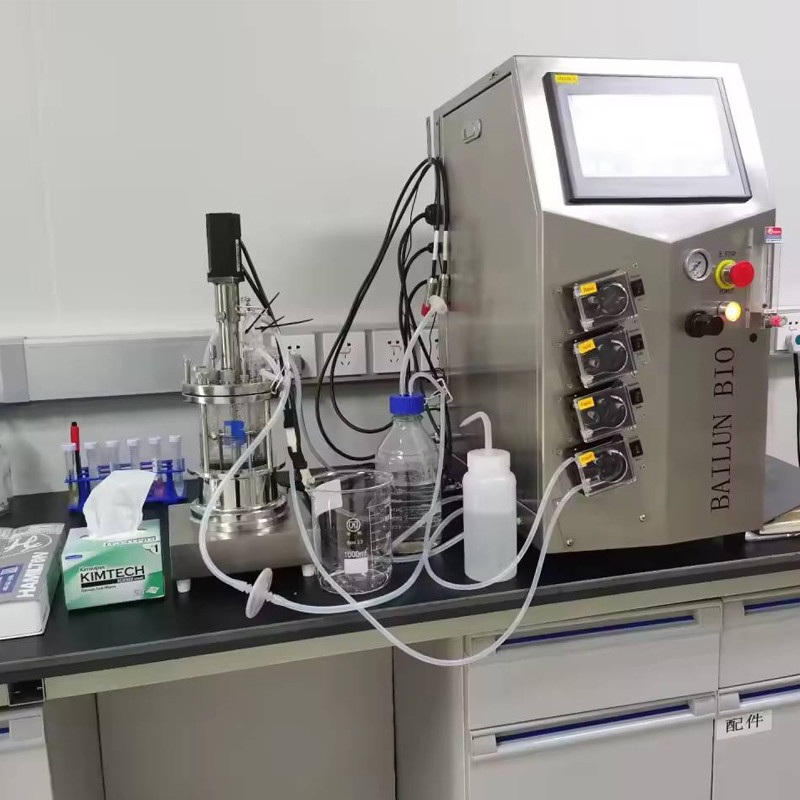
2. Airlift - This "quiet and gentle giant" operates without a motor or a stirring shaft, relying solely on aeration to create a circulating flow. The entire system is silent, exhibits low shear, and is easily sterilizable.
I have seen a team working on plant secondary metabolites. They had a high cell death rate when using STR, but after switching to an airlift system, the yield doubled.
✅ Advantages: Friendly to shear-sensitive cells, no moving seals, low risk of bacterial contamination, and energy consumption 30% lower than that of a stirred tank
⚠️ Limitations: Difficult to scale up.
It performs well within 100L, but when it exceeds 1000L, there are issues with uneven circulation and a large dissolved oxygen gradient, which can easily lead to "upper heating and lower cooling".
📌 Suitable for: Microalgae, plant cells, Vero cells, and other adherent/sensitive systems, or small batches of high-value products.
Your fermentation tank can't be cleaned thoroughly, but it's okay
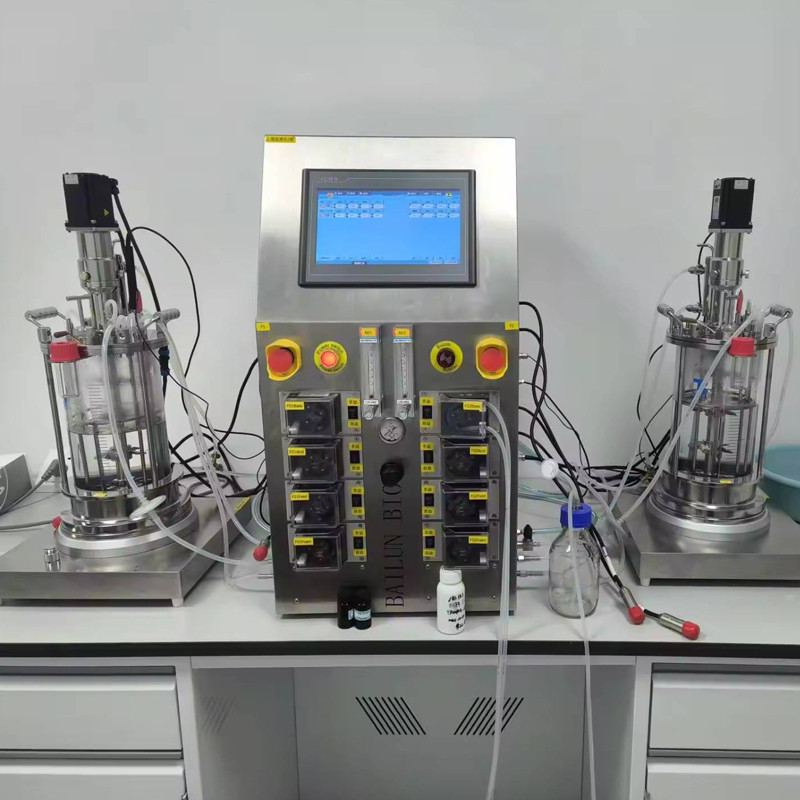
3. Bubble Column: A tall column with ventilation at the bottom, driven by bubbles for mixing. The structure is so simple that it almost seems "naked".
However, it has a fatal flaw: without a draft tube, the bubbles rise and fall vertically, resulting in a mixing efficiency far inferior to that of the air-lift type. Moreover, once the foam forms, it is difficult to break.
✅ Advantages: no mechanical parts, low maintenance costs, high heat exchange efficiency (large surface area)
⚠️ Disadvantages: The dissolved oxygen efficiency is average, with poor foam control, making it unsuitable for high-protein expression systems
📌 Suitable for: Fermentation processes that are insensitive to shear, produce little gas, and involve simple techniques, such as the production of certain organic acids or enzyme preparations.
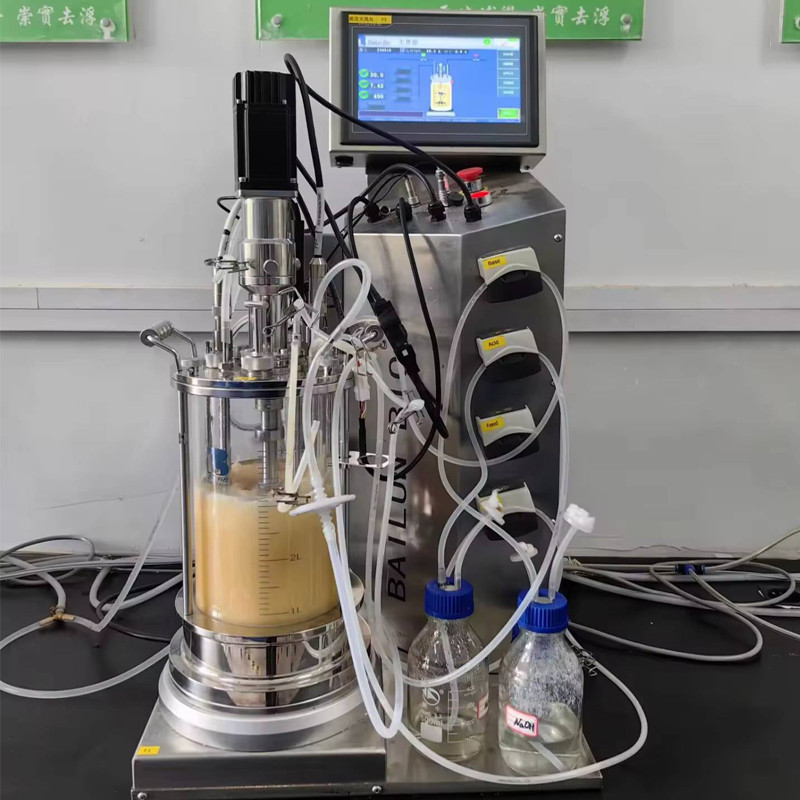
4. In a Packed Bed tank filled with carriers, cells adhere and grow on them, while the culture medium flows through from top to bottom or from bottom to top.
This method is particularly effective against adherent cells. For Vero cells used in rabies vaccine production, the commonly adopted packed bed + perfusion mode allows for a cell density 10 times higher than that in roller bottles.
✅ Advantages: Extremely high cell density allows for continuous perfusion, high product concentration without stirring, and zero shear
⚠️ Pain points: Difficulty in cleaning, prone to blockage, poor internal mass transfer, potential "oxygen deficiency" in certain areas, cumbersome replacement of catalysts/carriers
5. In contrast to a packed bed, in a fluidized bed, the carrier particles are suspended and flow. By controlling the flow rate, the particles are kept from sinking to the bottom or being washed away.
It combines the high density of a packed bed with the mixing advantages of a stirred tank, but it requires high operational standards - if the flow rate is too low, it will settle to the bottom, while if it is too high, all the material will be washed away.
✅ Advantages: Good mass transfer, uniform temperature, and continuous operation
⚠️ Challenge: Precise control is required to prevent potential product contamination due to wear of fluid dynamic carriers
📌 Suitable for: wastewater treatment, biocatalysis, and certain anaerobic fermentations.
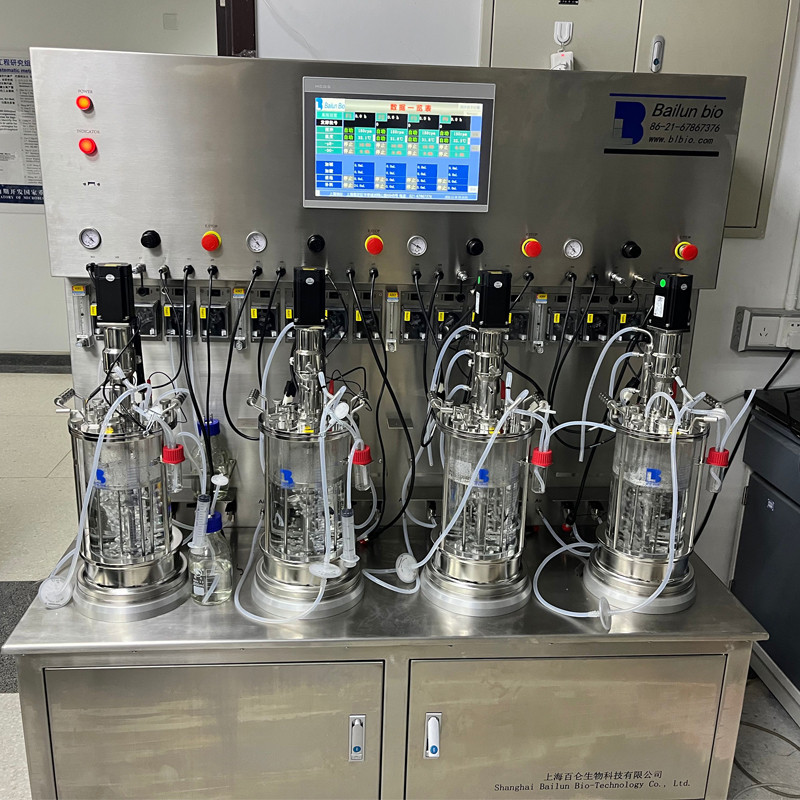
6. Photobioreactors (PBR) are specifically designed for photosynthetic organisms: microalgae and cyanobacteria. The core principle is simple - light must penetrate and be evenly distributed.
Open ponds are cost-effective, but carry a high risk of pollution; enclosed tubular or flat plate PBRs offer strong controllability, but are expensive to construct and challenging to dissipate heat.
I have seen a project where natural light was used to save electricity, but in the end, all the algae were "sun-killed" in summer and did not grow in winter. Later, LED spectrum adjustment and temperature control were adopted to stabilize the production.
✅ Advantages: High CO₂ utilization rate, great potential for carbon capture, and capability of year-round operation (indoors)
⚠️ Practical issues: High initial investment, limited scale due to light attenuation (deeper areas are darker), difficulty in sterilization, and entire batch scrapping once contaminated
📌 Who is it suitable for: microalgae DHA, astaxanthin, biodiesel, carbon neutrality projects.
Finally, to be frank: there is no "best" reactor, only the "most suitable" one.
When working with Escherichia coli? Just choose a stirring tank without hesitation. When cultivating CHO cells? First assess the shear tolerance, then decide whether to use a disposable SUB. When aiming to sequester carbon with microalgae? Don't go overboard, first use a small plate PBR to test the process.
Many teams fail not because their technology is inadequate, but because they have the wrong "people" in the wrong place.
Choosing a reactor essentially means understanding what your cells need - is it quiet? Oxygen? Light? Or a home that can "hold up"?
Once you figure this out, you won't go wrong in your direction.