Cost proportion of the biological reaction industry: Achieve the ultimate in substrate efficiency, energy utilization, equipment turnover, and waste recycling! Industry competition is not about 'whose strain is stronger', but 'whose cost structure is better'
- Share
- Issue Time
- Feb 23,2026
Summary
When it comes to biomanufacturing, many people still cling to the old impression of "big pots bubbling".
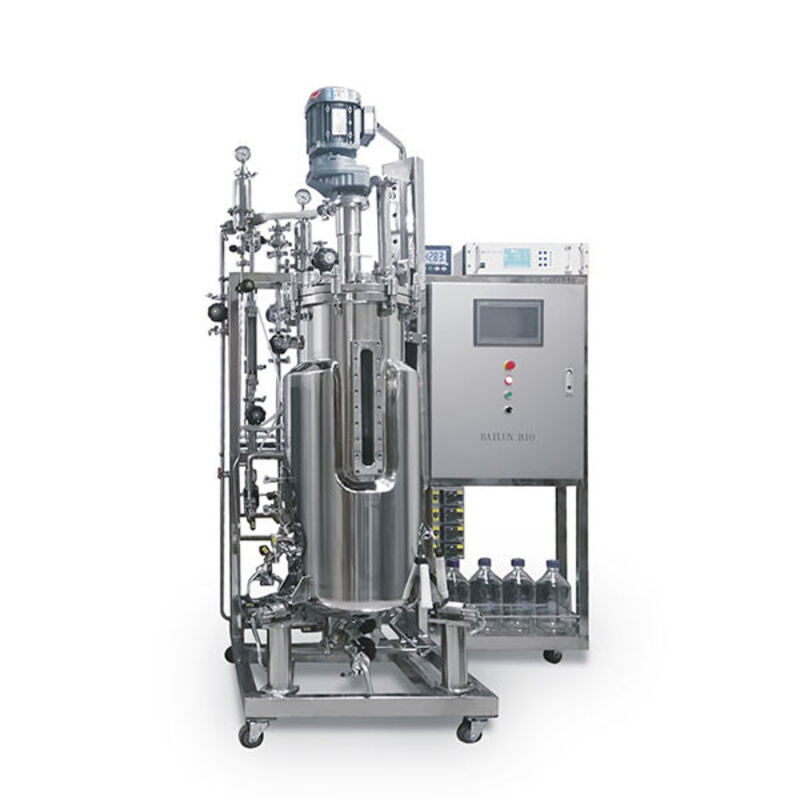

But today's biological reactions have already surpassed traditional fermentation - whether it is producing monoclonal antibody drugs using CHO cells, synthesizing high-value natural products using engineered bacteria, or catalyzing fine chemicals with immobilized enzymes, their core is controlled biological reaction processes.
This type of technology is widely used in the fields of medicine, food, materials, agriculture, and energy, and is considered a key path for green manufacturing.
However, beneath the halo, there is a sense of reality.
Many biological reaction projects run beautifully in the laboratory, but when scaled up, they become "out of place" due to the complex cost structure and extremely strong rigidity.
Where did the money go? Upon disassembly, it is roughly as follows:
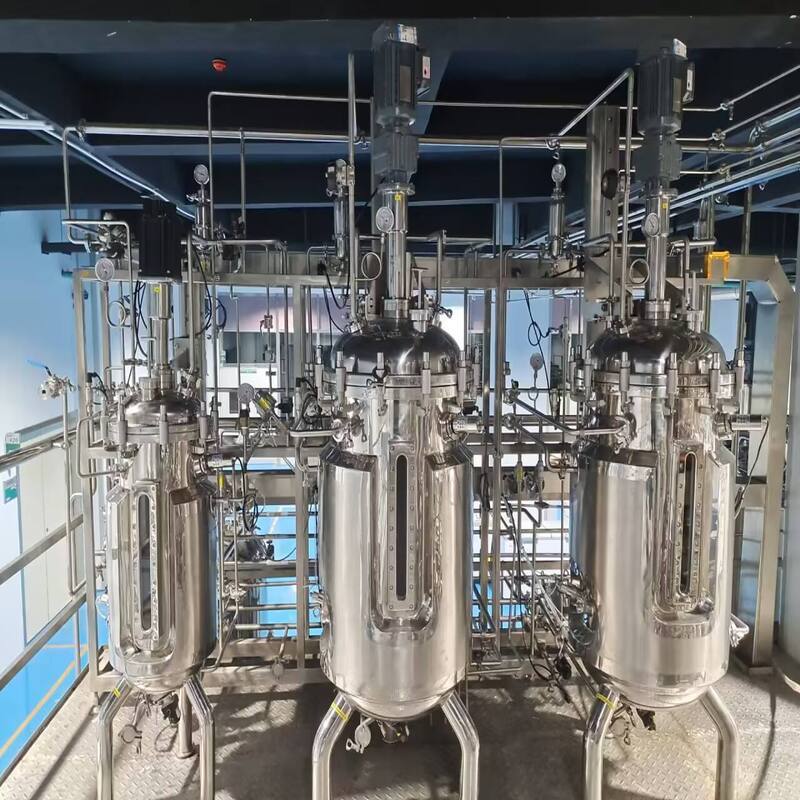
1、 Substrate and culture medium: accounting for 50% -60%, still the largest proportion
Whether using Escherichia coli, yeast, mammalian cells, or cell-free enzyme systems, they all rely on 'eating'.
The term 'food' here may refer to glucose, glycerol, lactose, as well as amino acids, vitamins, trace elements - collectively known as substrates or culture medium components.
Taking recombinant protein production as an example, the cost of a batch of serum-free culture medium may reach thousands of yuan/liter; In the synthetic biology pathway, expensive inducers or cofactors (such as NAD+, ATP) are often added to maintain the metabolic balance of high-yield strains.
These materials are not only expensive, but also have strict purity requirements - industrial grade is not acceptable, they must be GMP or reagent grade, further pushing up costs.
More importantly, the efficiency of substrate conversion directly determines the economy.
In theory, 1 gram of glucose can produce 0.5 grams of the target product, but in reality, only 0.2 grams may be produced, with the rest becoming by-products or wasted heat. Improving yield is more effective than cutting purchase prices.
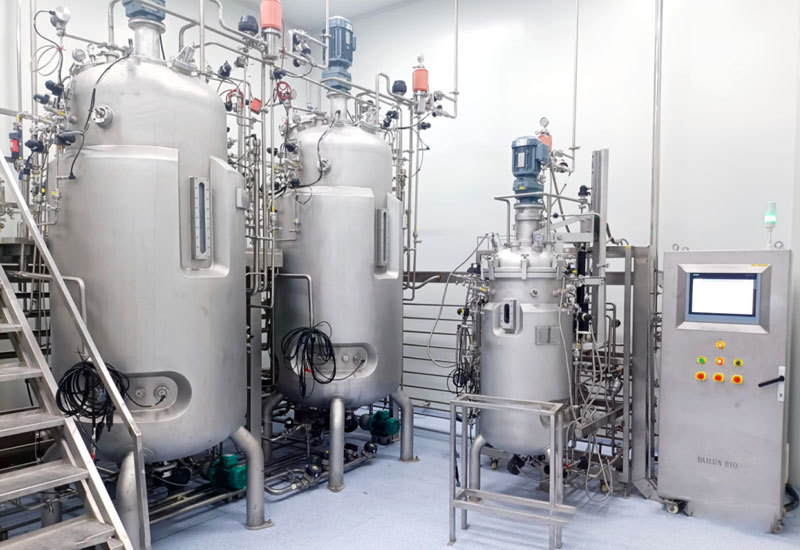
2、 Energy and utilities: 15% -25%, invisible but deadly
Biological reactions are not as simple as' putting them in and waiting for results'.
It requires precise temperature control pH、 Dissolved oxygen, stirring rate, pressure and other parameters often last for several days or even weeks.
This means:
Continuous operation of high-power mixer;
Air compression and deep filtration (especially aseptic processes) consume astonishing amounts of electricity;
Cooling water system can counteract the heat release of biological reactions;
The sterilization stage consumes a large amount of steam.
In mammalian cell culture, maintaining an environment of 37 ℃ and 5% CO ₂ may seem mild, but clean air conditioning and laminar flow systems that run continuously throughout the year easily account for over 20% of operating costs in terms of electricity.
In high-density microbial reactions, oxygen supply becomes a bottleneck - air compression energy consumption can account for 40% of the entire plant's electricity.
With the implementation of the "dual carbon" policy, enterprises can no longer rely on cheap coal-fired power to sustain their lives. Switching to green electricity or waste heat recovery, although environmentally friendly, results in a sharp increase in short-term costs.
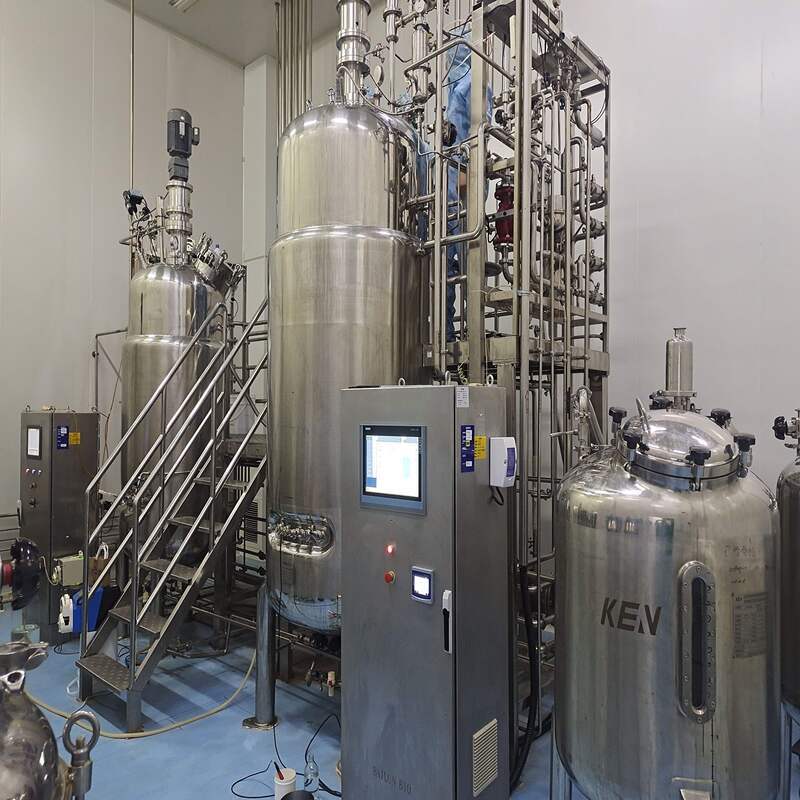
3、 Equipment and fixed assets: 8% -12%, high threshold and high sunk costs
A compliant bioreactor system is much more than just one reactor.
Upstream, there are seed expansion and sterile inoculation;
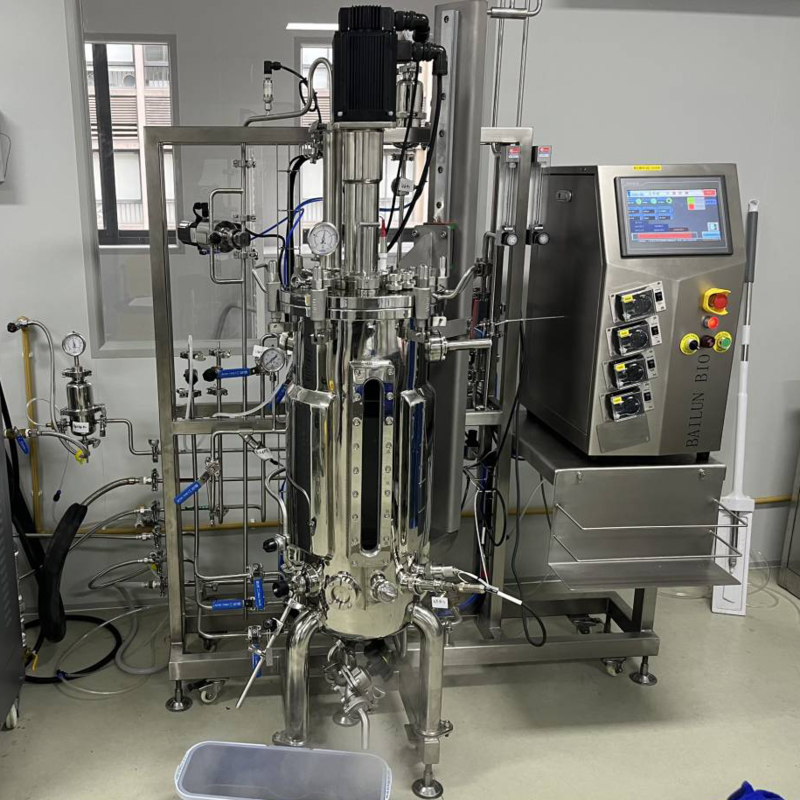
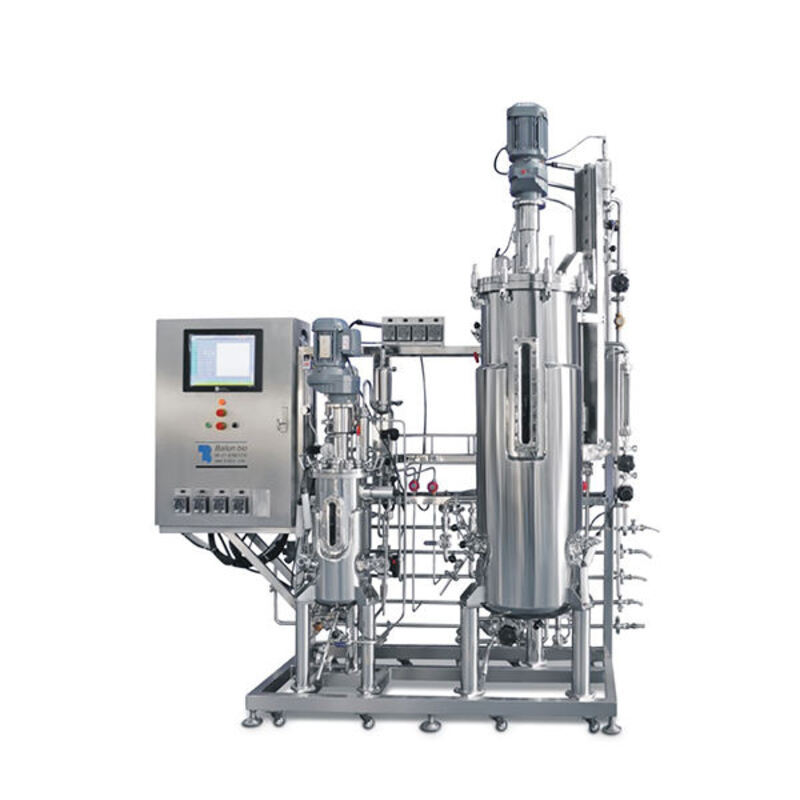
The midstream is the main reaction unit (stainless steel or disposable bioreactor); Downstream purification involves multiple steps such as centrifugation, ultrafiltration, chromatography, and freeze-drying.
Offline, it can easily reach billions.
Especially in the field of biomedicine, although single use technology reduces the cost of cleaning and verification, bags, pipelines, and sensors are all disposable, making long-term use even more expensive.
Although traditional stainless steel systems are durable, they have poor flexibility in retrofitting and are difficult to adapt to switching between multiple products.
In addition, high-end equipment such as online mass spectrometry, Raman probes, and PAT process analysis tools can improve control accuracy, but further increase initial investment.
Small businesses hesitate, while large enterprises fall into the anxiety of being eliminated without upgrading.
4、 Cost of three wastes treatment and compliance: 5% -10%, and increasing year by year
The waste liquid generated by biological reactions usually contains high concentrations of organic matter, residual substrates, dead cells, or enzyme proteins, with extremely high COD values;
Exhaust gases may carry aerosols or volatile metabolites;
Waste residue (such as discarded bacterial cells and chromatography media) may also be classified as hazardous waste.
In the past, these "by-products" could be sold at low prices to feed or fertilizer factories.
Nowadays, environmental regulations are becoming stricter, and many places prohibit external transportation and disposal, forcing companies to build their own processing facilities.
Furthermore, the European Union and the United States have put forward clear disclosure requirements for the carbon footprint, water consumption, and waste intensity of bio manufactured products, forcing companies to invest in LCA (Life Cycle Assessment) systems - another implicit expense.
Oral GLP-1 track: two technological paths, two breakthrough ideas
5、 Human and intellectual costs: low on the surface, but actually crucial
The proportion of frontline operators is not high, but process development, process optimization, and quality control teams are indispensable.
An experienced biological process engineer can increase yield by 10% by fine-tuning feeding strategies or control logic - which is equivalent to saving millions of yuan in raw material costs directly.
Unfortunately, such "soft power" is difficult to reflect in the "labor cost" item of financial statements. It is more included in research and development expenses, but it actually affects unit production costs.
The charm of biological reactions lies in their sustainability as' factories based on biology ', but their fragility also lies in this - the complexity, sensitivity, and low fault tolerance of living systems.
Once amplified, small parameter deviations may trigger a chain collapse.
Therefore, industry competition is no longer about 'whose strain is stronger', but 'whose cost structure is better'.
The future winners may not necessarily be at the forefront of technology, but they must be able to achieve the ultimate in substrate efficiency, energy utilization, equipment turnover, and waste recycling.
After all, in the world of biomanufacturing, every penny saved is efficiency extracted from living cells.