Key technologies for animal cell suspension culture
- Share
- Issue Time
- Feb 24,2026
Summary
Cell suspension culture technology refers to the use of bioreactors
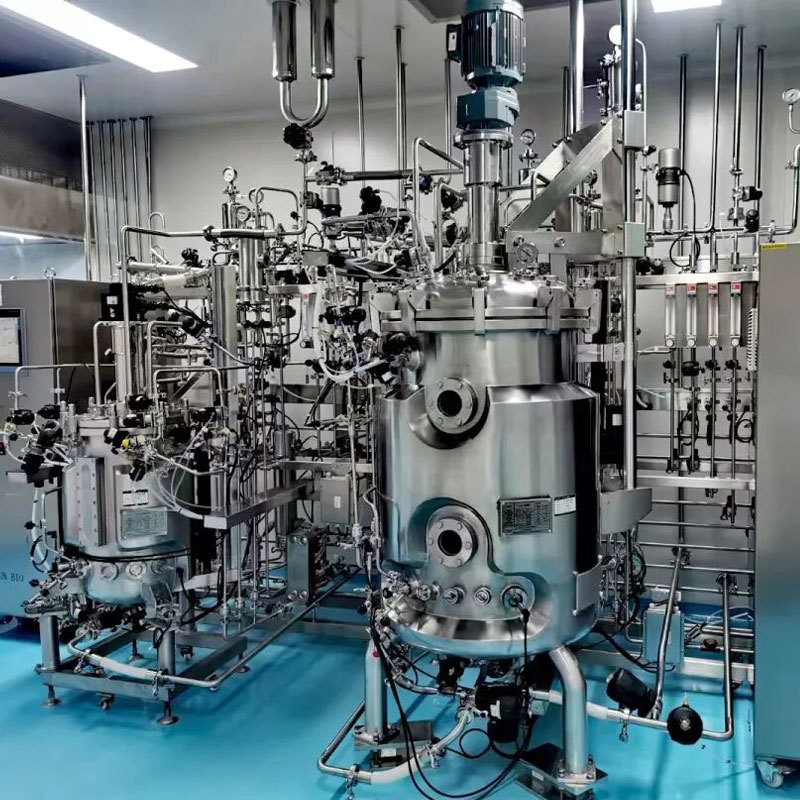

Cell suspension culture technology refers to the large-scale and efficient cultivation of animal cells used in biological products under artificial conditions using a bioreactor.
With the continuous innovation and development of biotechnology, animal cell suspension culture technology has been widely used in large-scale virus cultivation. This culture technology has very high production efficiency, as well as many advantages such as high quality and easy control of biological safety.
The vast majority of cells used for in vitro culture in cell suspension culture are of animal origin, making this technology highly applicable in the preparation of animal vaccines.
Select and suspend domesticated animal cell lines
In the production process of animal vaccines, safety, effectiveness, and cost control are the most important considerations for vaccine production. Only in this way can we improve the production efficiency of animal vaccines and ensure the reliability of the quality of biological products.
In the production process, it is of great significance to optimize and meet the above requirements in terms of selecting and domesticating animal cell lines. Due to the interaction between the same cell and the virus to be amplified, it is necessary to conduct adaptive selection with the target virus in advance before applying a certain cell line for large-scale vaccine production.
Meanwhile, the growth characteristics of the selected cells play a decisive role in determining whether large-scale proliferation culture can be carried out and which process to use for proliferation culture, as the sensitivity of the same cell to viruses varies in different culture states.
On the other hand, this technology has high requirements for the reproductive efficiency, vitality, and biological stability of suspended cells. Domestication is the primary task of cell suspension, and it is best to maintain cell vitality at over 90%.
Selection of the most suitable culture medium
Choosing the appropriate culture medium is the most critical step in cell suspension culture technology.
In general, the growth of animal cells requires the presence of serum as a nutrient component. However, due to the complex composition and high cost of serum, as well as significant differences in serum composition between different batches, this culture medium is difficult to apply in actual vaccine production.
Currently, with the continuous innovation of technology, this serum culture medium has been gradually replaced by serum-free culture medium, effectively reducing the susceptibility of serum culture medium to contamination, while also reducing production costs to a certain extent.
However, due to the high selectivity of cell culture towards culture media, a single serum-free culture medium is not suitable for the cultivation of multiple cell lines.
This has led to the rapid development of personalized serum-free culture media. Specific bioactive substances such as transferrin, insulin, or fibronectin can be added to serum-free culture media to promote the rapid proliferation and growth of animal cells.
Choose the appropriate bioreactor
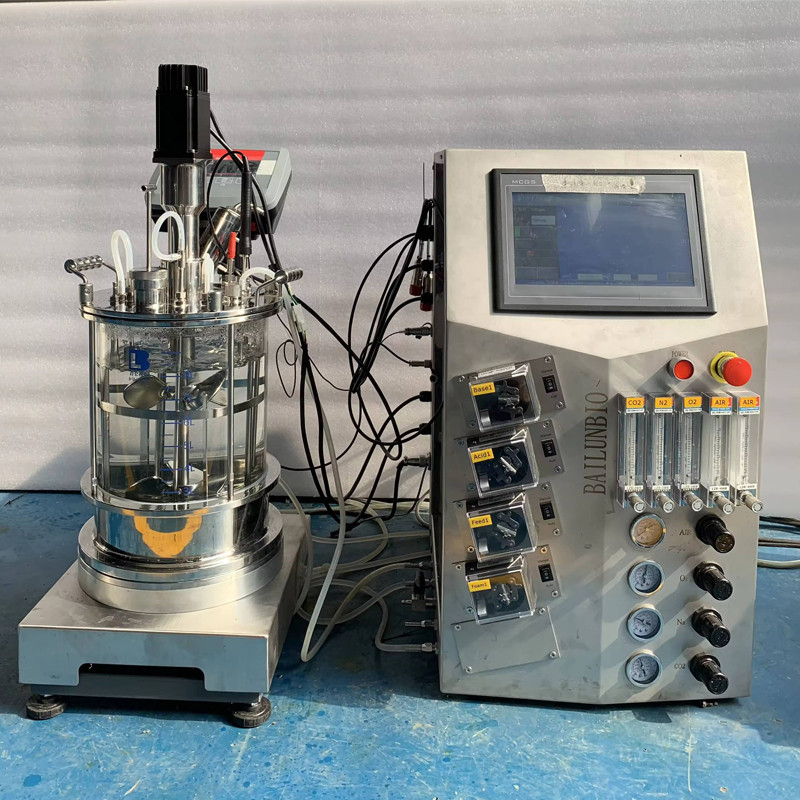
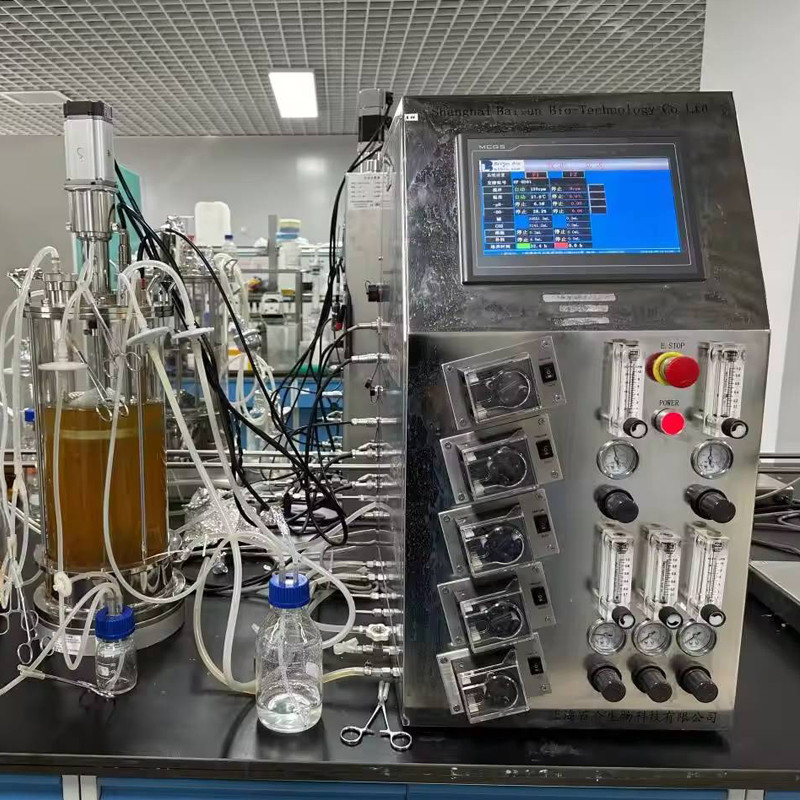
As a key equipment in the cell suspension culture technology center, bioreactors mainly use cells or enzymes as biocatalysts, while also providing a sterile environment for cell growth and reproduction.
Its biggest advantage is the ability to scale up step by step, and since the cost of vaccine production is affected by the size of the production cells, the choice of bioreactor directly affects the cost of vaccine production.
The requirements for bioreactors in vaccine production usually include the following: high production efficiency, strong reliability, low production cost, strong safety performance, strong activity, easy quality control and recycling, and high cell density.
There are several types of bioreactors that are commonly used in practical production, including fluidized bed bioreactors, air lift bioreactors, and rotary cell culture systems.
Selection of Production Process
The choice of production process determines the final processing of cell suspension culture technology, which can be divided into the following five operation modes according to different cultivation methods: batch, flow addition, semi continuous, continuous, and perfusion operation.
Different production processes have their own characteristics and advantages, as well as corresponding types of bioreactors. In the actual production process, flexible optimization choices can be made based on the different cultured cells and the types of vaccines produced.